How Metal Coil Tubing Supports High-Temperature Applications

Premium Stainless Steel Tubing Coil Supplies

In this section, we highlight specialized stainless steel tubing coil options for industrial buyers throughout the United States. The scope includes coil stainless steel tubing plus complementary stick formats, catalog data like SKUs and manufacturer part numbers (MPN), and standards references that help procurement and engineering groups rapidly compare stainless steel tubing coil suppliers.

Most inventories show stainless steel coil tube in 150 ft, 300 ft, and 500 ft coil packages, paired with 10 ft and 20 ft stick tubing lengths. Providers including Mako Products document ASTM A269 and ASTM/ASME S/SA249 production details, and Sun Steel plus other vendors often reference ASTM A269, ASTM A213, and ASME SA213 to substantiate performance statements for premium stainless tubing.

Product pages commonly present grouped and individual SKUs with formatted pricing and inventory details. Details include welded or seamless construction, hot-rolled or cold-rolled finishes, and grade options such as 304, 316, and higher-alloy requests. Such attributes simplify matching coil stainless steel tubing with the necessary pressure capability, corrosion resistance, and handling characteristics.

stainless steel coil tubes

Overview of Stainless Steel Coil Tubing in Industrial Applications

Coil stainless steel tubing provides a compact and flexible supply format suitable for continuous-run systems in plant environments and field installations. Using this format cuts the number of joints and fittings required, which reduces labor demands and leak risk compared with segmented lengths. A stainless steel coil tube also delivers reliable corrosion and pressure resistance for instrumentation, hydraulic control lines, and process skids.

What Defines Coil Tubing and Its Core Properties

A stainless steel tubing coil is a wound, continuous length of tubing produced to comply with industry standards like ASTM A269 or ASME SA213. These coils usually feature high tensile strength, notable fatigue resistance, and excellent corrosion behavior in oxidizing as well as many reducing environments. Coils are available in common sizes and alloys that suit instrumentation and hydraulic duties.

Key Differences Between Coil and Stick Tubing

With coil format, installers can create long continuous runs instead of multiple jointed segments. Installers save time because fewer fittings are required. By contrast, stick tubing ships in fixed lengths, commonly 10 ft or 20 ft, and requires more connections to cover an equivalent run. Coil tubing can be unspooled to follow complex routing paths, whereas sticks are more convenient for short, straight segments.

Typical Lengths and Packaging Options (150 ft, 300 ft, 500 ft)

Standard coil ranges typically cover 150 ft, 300 ft, and 500 ft packages, while custom lengths can be supplied when requested. Suppliers publish SKUs and manufacturer part numbers in online catalogs, allowing buyers to filter by diameter, wall thickness, material grade, and length. For projects requiring 3/8 steel tubing, coils reduce handling time and minimize joint count compared with sticks.

Coil Stainless Steel Tubing

Coiled tubing offers continuous length and flexibility ideal for long runs in instrumentation, hydraulic circuits, and process skids. Suppliers including Mako Products and Parker Hannifin publish coil products with defined SKUs, lengths, and handling guidance, helping buyers align coil stainless steel tubing with system requirements.

Distinct Advantages of Coiled Tubing for Continuous Runs

Coils arrive as long, rolled lengths that eliminate piecewise joins typical of stick tubing. This continuous length lowers the coupling count and makes routing around equipment and racks easier. A stainless steel coil tube may be cut to precise lengths on-site, accelerating fitting work and minimizing scrap.

Benefits of coils: fewer fittings, faster installation, reduced leak points

Coiled runs decrease the total number of fittings and unions in a system. With fewer joints, there are fewer potential leak paths and reduced assembly labor.

Field crews regularly see shorter install timelines when stainless steel tubing coil is used instead of stick tubing. This saves time on alignment, welding, or brazing. Projects that use 3/8 id stainless steel tubing often see clear gains in cleanliness and reliability for instrumentation lines.

Guidelines for Handling, Unspooling, and Storing Coils

Avoid kinks by unspooling coils from a controlled reel or cradle rather than pulling freely. Pulling at an angle or too quickly causes deformation. Keep coil stainless steel tubing on purpose-built reels to preserve its natural bend radius.

Keep coils dry and covered to reduce contamination risk and surface staining. Label each coil with material certificates, SKU, and batch details so traceability is immediate for quality checks.

  • Unspool slowly using a guided reel, and avoid tight bends below the minimum bend radius.
  • Support the stainless steel coil tube on cushioned racks or supports so it does not deform from loading.
  • Use end caps to close the tube ends and keep debris out until final connection.
  • When ordering coil stainless steel tubing, request handling documentation and mill test reports from the supplier.

304, 316, and Duplex Material Grade Options

Choosing the right alloy shapes performance, cost, and service life for a stainless steel coil tube. In practice, engineers consider corrosion resistance, mechanical strength, and workability when pairing a grade with its application. Supplier catalogs frequently encode grade within the SKU or MPN, making it easier for buyers to choose 304 stainless steel tubing, 316 stainless steel tubing, or duplex stainless steel coil for specific projects.

304 Stainless Steel: Properties, Common Uses, and Cost Points

304 stainless steel tubing remains relatively economical and simple to form. Its malleability and clean welding behavior make it a common choice for machine components, HVAC lines, and food processing installations. General corrosion resistance is solid in most environments, although continuous saltwater service is not a strong point. When budget and fabrication ease matter more than chloride resistance, 304 is a practical choice.

Why 316 Stainless Steel Is Favored for Marine-Grade Corrosion Resistance

316 stainless steel tubing includes molybdenum, enhancing its resistance to chlorides and pitting. That trait makes 316 a standard for marine systems, offshore rigs, and surgical equipment. Where brackish water or harsh chemicals are present, 316 typically offers longer service intervals and lower maintenance than 304.

Duplex stainless steels: increased strength and pitting resistance for harsh environments

Duplex stainless steel coil combines austenitic and ferritic phases to deliver higher yield strength and better pitting resistance. This balance of properties is ideal for deepwater operations, chemical processing plants, and high-stress piping where mechanical loads and corrosive media are significant. Although duplex costs more initially, it can reduce downtime and replacement frequency in harsh service.

Choosing a grade depends on temperature range, mechanical stresses, and the exact corrosive exposure. In long-coil continuous-run systems, mechanical demands and corrosion profile guide the choice of 304 stainless steel tubing, 316 stainless steel tubing, or duplex stainless steel coil. An appropriate stainless steel coil tube selection minimizes fittings, reduces leak potential, and improves lifecycle cost performance.

Comparing Seamless and Welded Coil Tubing

Manufacturers use two main routes to make tubing. In one method, welded stainless steel tubing is formed by rolling a strip and welding the longitudinal seam. The other route yields seamless stainless steel coil via extrusion or piercing of a solid billet followed by drawing through dies. Each manufacturing approach influences cost, strength, and which applications are most suitable.

Manufacturing contrasts and appropriate uses

Welded stainless steel tubing is typically more economical and suits general instrumentation, HVAC, and low- to moderate-pressure lines. Its welded seam is fused and verified to satisfy quality standards specified in product literature and mill test reports.

Seamless stainless steel coil is free of a weld seam and exhibits improved uniformity when stressed. As a result, seamless coils are often used in deep oil and gas control lines, high-pressure hydraulic systems, and critical process services where reliability is paramount.

Performance: Pressure, Corrosion, and Reliability

For the same size and alloy, seamless tubing often achieves around 20% higher working pressure versus welded options. Buyers tend to select seamless tubing when peak burst margin and fatigue resistance are critical priorities.

Welded stainless steel tubing satisfies numerous industrial requirements and helps control cost. Properly made and inspected welded tube can offer long service life in corrosive environments if the correct alloy and post-weld treatments are used.

Standards to verify on specs and MTRs

It is important for buyers to confirm relevant standards on spec documents and mill test reports. Typical references are ASTM A269 covering drawn or cold-finished seamless and welded tubing, ASTM A213 for seamless boiler and superheater tubes, and ASME SA213 as the code-equivalent listing.

Key Feature Seamless Stainless Steel Coil Welded Stainless Steel Tubing
Manufacturing Pierced or extruded from billet and then drawn Formed from strip and longitudinally welded
Typical cost Generally higher per foot Typically lower per foot
Working Pressure Capability About 20% higher on average Lower for same size/material
Typical Applications High-pressure oil & gas service and critical hydraulic lines Instrumentation, general process lines, and HVAC
Standards referenced ASTM A213, ASME SA213, and ASTM A269 where applicable ASTM A269 for cold-finished welded tubing plus vendor-specific MTRs
Inspection Focus Areas Dimensional checks, hydrostatic testing, and tensile testing Weld integrity, nondestructive examinations, and hydrostatic tests

Pressure Ratings, Wall Thickness, and 3/8 Tubing Steel

Engineers and buyers must match wall thickness and diameter to expected working pressure as a basic selection step. Pressure ratings are determined by material grade, wall thickness, and tube diameter. Thicker walls raise pressure resistance, while seamless construction typically yields higher ratings than welded products. Catalog specifications and manufacturer part numbers supply exact values for each SKU.

How wall thickness and diameter affect working pressure

For any specific alloy, thinner walls decrease burst pressure and shorten fatigue life. Outer diameter and inner diameter establish the stress distribution under internal pressure. Use published grade-specific charts to compare working pressure across wall thickness options. When cyclic loading is significant, choose a heavier wall or consider a duplex grade to reduce crack initiation risk.

Choosing 3/8 Tubing Steel or 3/8 ID Stainless Steel Tubing for Hydraulic and Instrumentation Lines

Three-eighths-inch tubing is a common size for instrumentation and lighter hydraulic circuits. Buyers may specify 3/8 tubing steel on an OD basis or request 3/8 id stainless steel tubing when exact internal flow or fittings compatibility is critical. Vendors such as Mako Products offer these dimensions in both stick and coil styles, with stainless steel tubing coil suited for long continuous runs.

Calculating Safe Operating Pressure and Safety Factors

The calculation starts by consulting the manufacturer’s pressure chart for the chosen grade and wall. Apply a safety factor that matches the code and application risks. In practice, safety factors often span from 1.5 for noncritical instrumentation to around 4 for high-risk hydraulic service. For dynamic or fatigue-prone lines, reduce allowable working pressure further or use a thicker-walled seamless tube.

Use this practical checklist when selecting tubing:

  • Verify OD, ID, and wall thickness directly from the spec sheet.
  • Review the difference in rated working pressure between welded and seamless tubing.
  • Choose between OD-based 3/8 steel tubing and 3/8 id stainless steel tubing according to fittings and flow requirements.
  • Choose stainless steel tubing coil when long continuous lengths lower fittings count and leak points.
  • Record the chosen safety factor and reference the manufacturer’s pressure chart within procurement documentation.

Surface Finishes and Manufacturing Processes

Selecting the appropriate manufacturing route influences tubing surface quality, strength, and cost. A hot-rolled stainless steel coil is produced at temperatures above the recrystallization point. This process accelerates production and results in good ductility for bending and forming operations. The trade-off is a rougher surface, which may require grinding or polishing for visible or sanitary applications.

Cold-rolled stainless steel tubing is processed by rolling the metal at room temperature. Cold work tightens tolerances and raises tensile strength. The resulting finish is smoother and brighter, making it suitable for medical, aerospace, and precision instrumentation applications. Suppliers often list both hot and cold options for a stainless steel coil tube on product pages so buyers can compare finishes.

Hot-rolled vs. cold-rolled: surface and mechanical comparison

Key Attribute Hot-rolled stainless steel coil Cold-rolled stainless steel tubing
Typical surface Matte, mill scale present, needs finishing Bright, smooth, low surface roughness
Mechanical properties Higher ductility but lower tensile strength Higher tensile strength and improved yield strength
Tolerances Wider tolerances on dimensions Tighter dimensional tolerances
Common uses General fabrication, heavy duty tubing Instrumentation, medical, and aerospace tubing
Cost Range Generally lower per foot Higher cost due to additional processing steps
Example Product Type Stainless steel tubing coil often used in HVAC and structural runs Stainless steel coil tube for catheter housings and sensors

Finish selection is important for thin-wall tubing applications where leaks or contamination are critical concerns. Polished or bright finishes reduce particle traps. Electropolishing and mechanical polishing create a passive, low-roughness surface ideal for a stainless steel tubing coil used in clean-room environments.

Common post-processing steps include pickling, passivation, electropolishing, and ultrasonic cleaning. Pickling removes scale and weld discoloration. By passivating, the chromium-rich oxide film is strengthened, improving corrosion resistance. Through electropolishing, microscopic surface peaks are removed, lowering bacterial adhesion and improving flow in a stainless steel coil tube.

Specialty products such as razor tubing are available as welded or seamless. Selecting welded or seamless depends on strength requirements and finish objectives. In medical or instrumentation lines, select cold-rolled tubing with tight surface control and verify that the supplier can deliver cleaned and passivated stainless steel tubing coil ready for installation.

Finish specifications should contain measurable targets like surface roughness (Ra), inspection criteria, and the passivation method. Clear specs speed procurement and reduce rework when a stainless steel coil tube must meet sterile or high-purity standards.

Common Industrial Applications

Coiled stainless steel products serve many industries where continuous length, corrosion resistance, and pressure performance matter. By pairing each use case with the right grade and construction, buyers can reduce downtime and satisfy regulatory requirements. The following sections give a concise map of applications and compatible tubing types.

Applications in Oil & Gas

Operators employ coiled tubing for control lines, hydraulic circuits, and downhole service since a stainless steel tubing coil provides long continuous runs with minimal fittings. Seamless coil stainless steel tubing frequently covers the higher pressure demands in completions and hydraulic pumping. Mako Products and other suppliers list marine and offshore-rated 316 options for corrosive sea environments.

Applications in Chemical Processing and Corrosive Services

Chemical plants often choose stainless steel coil tube for feed lines, sampling circuits, and transfer of aggressive fluids. Choosing 316 or duplex grades helps improve resistance to pitting and chloride stress. A properly chosen stainless steel coil reduces leak points and simplifies maintenance in corrosive service.

Medical, Pharmaceutical, Aerospace, Instrumentation, and Heat Exchanger Uses

Medical and pharmaceutical systems require high-purity finishes and tight tolerances. Polished, cold-rolled coil stainless steel tubing together with precise 3/8 id stainless steel tubing are commonly used for sterile fluid transfer and instrumentation lines. The aerospace sector uses corrosion-resistant, high-strength tubing for fuel and hydraulic systems. For instrumentation and heat exchangers, consistent wall thickness and clean internal surfaces in a stainless steel tubing coil help maintain controlled flow and thermal performance.

Quick Comparison for Buyers

Target Industry Recommended Construction Type Typical Grades Why Coil Tubing Works
Oil & Gas Sector Seamless coiled tubing 316, duplex Continuous runs, high pressure, fewer fittings
Chemical Processing Coil or stick, passivated 316 and duplex alloys Improved corrosion resistance and reduced contamination risk
Medical and Pharmaceutical Cold-rolled, polished coil stainless steel tubing 304L, 316L High purity, easy cleaning, regulatory compliance
Aerospace Applications High-strength seamless coil tubing Duplex, specialty alloys Weight savings combined with pressure and fatigue resistance
Instrumentation / Heat Exchangers Precision stainless steel tubing coil 304, 316 Stable dimensions for accurate flow control and heat transfer

When specifying coil stainless steel tubing, be sure to ask suppliers about traceability, mill test reports, and finish recommendations. Details like inside diameter tolerance on 3/8 id stainless steel tubing and proper spool handling have a major impact on long-term reliability in demanding operations.

Guidance on Sizing and Specifying Coil Stainless Steel Tubing

A clear, structured plan is needed when buying coil stainless steel tubing. Start by listing system needs for flow, pressure, temperature, and chemical exposure. Use manufacturer part numbers and SKUs to cross-check material grade and test reports prior to ordering.

Choosing Inner Diameter Versus Outer Diameter Sizing

Choose ID-based sizing when fittings and flow rate matter most. Inner diameter controls fluid velocity and pressure drop through lines like instrumentation or hydraulic controls.

Select OD-based sizing when external clamps are used or when bundle spacing and routing constraints dominate. OD determines bend radius and clearance for support hardware.

Matching tubing specs to system requirements: flow, pressure, and compatibility

Wall thickness and material grade should be matched to the expected working pressure. Thicker walls increase allowable pressure but slightly reduce flow area.

Also consider mechanical loads, temperature variations, and corrosive media. Different grades, including 304 and 316, offer distinct corrosion resistance levels. In aggressive environments, duplex grades provide higher strength.

In most catalogs, 150 ft, 300 ft, and 500 ft coil stainless steel tubing is listed alongside 10 ft and 20 ft cut sticks. Decide whether to use continuous coil or stick segments by comparing installation speed and leak-point reduction.

Reading Manufacturer Part Numbers, SKUs, and Specification Sheets

Part numbers often encode diameter, wall thickness, and material. SKUs on product pages match MPNs on mill test reports. It is good practice to request the MTR and verify standards like ASTM A269 or ASME SA213.

Use spec sheet fields for OD, ID, wall, finish, and pressure rating. Cross-reference a 3/8 steel tubing entry with its MTR to verify tensile strength and hardness. Look for listings that explicitly state 3/8 tubing steel when that size is required.

Specification Field What to Check Why it matters
Part number / SKU Decode for OD, wall, grade Ensures correct size and traceability to mill test report
Outer diameter (OD) Match tubing OD with fittings and clamp hardware Affects bend radius and clearance in assemblies
Inner Diameter (ID) Used for flow and pressure drop calculations Influences velocity, metering, and instrumentation accuracy
Wall Thickness Compare to working pressure and safety factor Determines pressure capability and mechanical strength
Material Grade 304, 316, duplex, or other grades Determines corrosion resistance and temperature limits
Standards Referenced ASTM, ASME listings on spec sheet Confirms manufacturing and testing benchmarks
Length Options Coil vs. stick options (150/300/500 ft coils; 10/20 ft sticks) Affects installation time, fittings count, and material waste
Test documents Mill test reports and hydrostatic test records Validates material chemistry, tensile values, and pressure performance

When comparing quotes, request clarification from suppliers for any unclear SKU components. Verify whether each item is a stainless steel tubing coil or a cut length stick. When dealing with 3/8 steel tubing, insist on matching MTRs and part numbers to avoid installation issues.

Quality Standards, Certifications, and Testing for Coil Tubing

Buyers should confirm relevant material standards and test records prior to accepting a stainless steel tubing coil shipment. Strong documentation helps speed approvals in regulated systems and maintains long-term traceability.

Relevant standards define composition, tensile limits, and corrosion criteria for both coiled and straight tubing products. Standards such as ASTM A269, ASTM A213, and ASME SA213 are commonly cited for seamless and welded tubing in process, power, and HVAC applications.

Important Lab and Factory Tests

  • Tensile testing to verify yield and ultimate strength versus specification requirements.
  • Hydrostatic tests to demonstrate pressure integrity for each coil or production lot.
  • Corrosion and pitting tests to check resistance in intended service environments.

Traceability and Mill Documentation

MTRs need to document heat numbers, chemical composition, and mechanical properties tied to each coil or cut length. By requesting MTRs, buyers can connect each stainless steel coil tube to its heat batch for warranty and safety auditing.

Supplier claims and verification

Standards like ASTM A269 and ASTM A213 are often listed on product pages and catalogs, sometimes with MTRs attached. Trusted suppliers clarify if their products carry ASME SA213 certification and can furnish third-party lab reports when requested.

How to Handle Acceptance Testing on Delivery

  1. Check coil packaging and confirm that heat number stamping is consistent across all pieces.
  2. Match mill certificates to physical markings before release into production.
  3. Keep hydrostatic and tensile records with project quality files.

Maintaining clear records for each stainless steel tubing coil improves compliance and reduces risk throughout commissioning. When choosing a vendor, verify that test methods and certifications meet project specifications for full acceptance into service.

Choosing Suppliers and Inventory Options in the U.S.

Choosing the right vendor directly influences project timing, cost, and long-term performance. Many domestic suppliers hold inventory on hand and deliver faster turnaround. Import sources may reduce material cost but typically add lead time and require additional inspection. When ordering a stainless steel tubing coil or sticks, buyers must weigh delivery speed versus pricing and quality assurance.

Ask suppliers about their standard inventory lengths early in the process. Many U.S. distributors list 150 ft, 300 ft, and 500 ft coils alongside 10 ft and 20 ft stick options. Having a clear inventory table accelerates procurement and reduces production delay risk. Also verify whether coil stainless steel tubing is available in hot-rolled or cold-rolled finishes suitable for your use.

Request cut-to-length services when you need specific sizes. Custom cuts reduce waste on-site and speed assembly for instrumentation work using 3/8 id stainless steel tubing. Verify minimum order quantities, turnaround times, and any trimming and deburring fees.

Review each supplier’s documentation and warranty practices. Trusted vendors provide mill test reports, material certificates, and traceability for both coil stainless steel tubing and 3/8 steel tubing. Ask how warranties apply to custom-cut items and to coils that have been unspooled for inspection purposes.

Access to technical support is critical when sizing tubing or selecting alloys. Suppliers like Mako Products and Sun Steel maintain product catalogs with SKUs, spec filters, and technical teams that advise on compatibility with ASTM A269 and ASME standards. Confirm that supplier engineers can assist with selecting 3/8 steel tubing for hydraulic runs or 3/8 id stainless steel tubing for instrumentation lines.

Negotiate service terms before issuing purchase orders. Important topics to address are lead time guarantees, transit packaging for coil stainless steel tubing, return conditions, and inspection time windows at delivery. Clear terms reduce disputes and speed project acceptance.

Item Type Common Options Typical Lead Time Notes
Coils 150 ft, 300 ft, and 500 ft In-stock: about 1–7 business days; Import: roughly 4–12+ weeks Check finish: hot-rolled or cold-rolled; request MTRs
Stick Lengths 10 ft, 20 ft Typically in-stock: 1–5 business days Good for standard installs and tight turnaround
Custom Cuts Cut-to-length, deburred, packaged Around 1–10 business days depending on quantity Reduces field labor; verify minimums and fees
Alloy and Grade Options 304, 316, and duplex In-stock grades are faster; special alloys take longer Confirm referenced standards such as ASTM A269 and ASME S/SA249
Documentation MTRs, certifications, traceability Provided with shipment or made available on request Essential for regulated projects and safety-critical applications

Prior to finalizing supplier choice, build a short checklist to compare quotes. Include availability of stainless steel tubing coil sizes, prices for coil stainless steel tubing and 3/8 steel tubing, fees for custom cuts of 3/8 id stainless steel tubing, warranty terms, and technical contact. Such a list makes comparison easier and supports on-schedule project execution.

Understanding Cost, Lead Time, and Value Trade-Offs

Price visibility for stainless steel tubing coil can vary significantly between suppliers. Online listings often combine “call for price” items with visible prices, bundled SKUs, and volume-based discounts. As a result, comparing coil stainless steel tubing offers is challenging unless you request a full quote detailing unit cost, bundle logic, and shipping or handling fees.

Material grade, construction method, and length are primary cost drivers. 304 is usually less expensive than 316 or duplex, and seamless tubing carries a premium over welded due to higher working pressure and reliability. Coil lengths (150 ft, 300 ft, 500 ft) and services such as custom cutting, passivation, or polishing raise the price, especially when you need medical- or aerospace-quality finishes from cold-rolled or polished processes.

Testing, certification, and sourcing decisions affect cost and lead time. Items such as mill test reports, hydrostatic tests, and traceability documentation raise procurement costs but are mandatory in many regulated sectors. Domestic sourcing tends to reduce lead times and logistics risk, whereas imported coil stainless steel tubing can be cheaper per unit but take longer to arrive. Consider how 3/8 tubing steel or 3/8 steel tubing performance needs influence supplier choice and inventory decisions.

Evaluate total lifecycle value rather than unit price alone. Higher material costs may be balanced by faster installation, fewer fittings, and lower leak risk when using coiled runs. Request formal quotes that specify material grade, welded or seamless construction, finish, testing scope, and firm lead times so you can compare true value across suppliers and choose a cost-optimized solution.


Leather And Unconventional Materials In Textured Wall Art

Modern Home Décor with Textured Wall Art

I vividly recall entering my friend’s newly decorated apartment last spring. The space immediately felt brighter and more cozy. My eyes were instantly drawn to a dramatic piece hanging over her sofa.

It wasn’t your usual flat artwork. Its depth was noticeable even at a distance. Thick brushstrokes cast shadows that morphed with the light. As I examined the Bedroom Wall art more carefully, the layered paint opened up like miniature landscapes.

This single encounter transformed my view of interior decorating. Art should invite interaction, not just passive viewing. Texture adds depth, turning plain walls into conversation-starting focal points.

I can’t wait to explain how these layered pieces can transform your rooms. Whether the style is abstract or nature-inspired, textured wall art brings personality and energy to any room. Let’s dive into making your walls truly engaging.

Defining Textured Wall Art

When I think about wall art that genuinely transforms a room, I quickly move past conventional flat paintings. Textured wall art represents a major step forward in home decor. It’s not just something that hangs on your wall; it becomes an integral part of your wall’s structure.

Textured Wall Art

Why Flat Canvases Aren’t Always Enough

Classic paintings can look beautiful, yet they often lack a physical presence. Textured pieces, however, break free from this two-dimensional limitation. They stand out from the wall, producing shadows and depth that move as the lighting changes.

A wonderful example is the 3D White Layered Flower Textured Abstract Wall Art I discovered. Crafted from acrylics on robust canvas, it builds up delicate floral forms that extend towards the viewer. The layered construction imbues a depth that flat art cannot match.

Texture as a Primary Design Element

What sets textured wall art apart is the central role of texture. It isn’t just a small detail; it’s the main attraction. The tactile quality significantly enhances the artwork’s impact and emotional resonance.

Handcrafted wall art truly shines here. Artists employ diverse techniques to craft surfaces that encourage touch and exploration. In particular, mixed media wall art brings together materials such as:

  • Thick acrylic paints applied with palette knives
  • Structured pastes and modeling mediums
  • Incorporated natural elements like sand or fibers
  • Multiple layers of paper or fabric

Each finished piece becomes a one-of-a-kind work that engages more than just your eyes. The varied surfaces reflect light uniquely, and their patterns evolve with your viewpoint. This dynamic quality imbues textured art with a sense of life in your environment.

I find it fascinating how these pieces narrate stories through their physicality. The presence of the artist’s touch is visible in every mark and ridge. You’re not just looking at art; you’re experiencing the artist’s journey up close.

Why Textured Wall Art Captivates the Modern Home

I’ve noticed a strong change in current home decor trends. Textured wall art has grown from simple decoration into the centerpiece of many modern interiors. These Textured Wall Art pieces do more than adorn walls; they redefine the room’s ambiance.

Bringing Depth and Dimension into Your Rooms

Flat artwork may look lovely, yet textured pieces feel truly mesmerizing. My Large Textured Portrait in Black and Orange transformed my living room. The artwork’s ridges and peaks interact with light, casting shadows that change with the day.

There are many advantages to using textured art:

  • Creates illusion of expanded space
  • Introduces a sense of movement as light hits the surface
  • Provides visual interest from every angle
  • Works effortlessly with a wide range of design styles

In my home, an Oversized Handcrafted Coastal Wall Art piece became the main focal point. Friends often mention how it shifts the atmosphere from morning to night.

Why the Touch of Art Matters

Textured artwork especially stands out here. With textured art, you’re able to sense the artist’s gestures under your fingertips. The tactile experience shares the story behind each piece, adding another layer of connection.

It’s always interesting to watch guests react to my 3D wall decor. Their eyes light up as they explore the artwork’s physical dimension. This sensory connection makes the art feel more personal and alive.

The rise in popularity of abstract home decor reflects our desire for more. We want pieces that engage more than just our eyes and strengthen our connection to our spaces.

Discovering Modern Abstract Painting

Modern abstract painting fascinates me because it can express meaning without showing clear, recognizable objects. Such Big Abstract Wall Art artworks connect with us through color, form, and movement, stepping outside classic narrative visuals.

Abstract art encourages a quiet conversation between the viewer and the piece. Every person may interpret a single piece in a very different way. This openness to many viewpoints is what makes abstract art so magical—it’s intimate and flexible in meaning.

Emotion and Energy in Abstract Forms

The strongest abstract works carry a clear emotional presence. I’ve witnessed pieces where colors seem to dance with exuberance. Others convey profound introspection through their somber, heavy strokes.

By adjusting color and layout, artists provoke specific emotional responses. Deep reds may hint at energy and desire, whereas soft blues often create peaceful feelings. The arrangement of shapes imbues the artwork with dynamic movement and energy.

One piece in particular stood out to me, akin to a musical explosion. The colors blended harmoniously, evoking a visual symphony. Despite lacking any clear subject, it still carried an abundance of emotion.

How Texture Enhances Abstract Home Decor

Texture plays a huge role in strengthening the presence of abstract pieces. It adds a tactile dimension that invites closer inspection and appreciation of the artist’s skill.

It’s captivating to see how light plays across textured surfaces. Morning light can emphasize specific ridges, while evening light uncovers different details. That constant shift keeps the artwork engaging and in a state of subtle change.

Large textured abstract pieces demand attention wherever they hang. The combination of size and texture gives them a presence that flat canvases can’t reproduce. They act as central features, bringing sophistication and layered depth into the space.

Bringing textured abstract art into my own rooms has deeply changed how I experience them. These artworks don’t merely adorn walls; they engage with the environment, light, and viewers, creating a dynamic, interactive experience.

The Artist’s Touch: Techniques Behind the Texture

Ever stood before a textured piece and wondered how it came to life? The magic lies in specific artistic techniques. These transform simple materials into captivating dimensional art. I’d love to share a few of the techniques that lead to such touchable, textured art.

Palette Knife Painting and Its Dynamic Results

Palette knife painting produces some of the most dramatic textures in modern art. Artists use metal blades instead of brushes, applying thick paint layers. This technique creates bold, impasto effects that catch light beautifully.

The knife allows for sweeping gestures and sharp edges, something brushes can’t achieve. Each mark captures a moment of the artist’s motion and emotion. I enjoy watching how these artworks seem to transform as light dances over their textured surfaces.

Building Depth with Mixed Media Wall Art

Mixed media wall art takes texture to another level by combining various materials. They may mix acrylics with metallic finishes, cloth, or items taken from nature. The result is impressive depth and a rich visual impact.

The combinations are endless – I’ve seen pieces incorporating gold leaf, textured papers, and dimensional pastes. Every element adds a distinct quality to the finished artwork. The final surface feels layered and complex, drawing you in for a closer look.

The Special Value of Handcrafted Wall Art

Handcrafted wall art carries a special energy that mass-produced pieces can’t match. When artists pour their hearts into creating something unique, you can feel that personal connection. Each piece becomes a one-of-a-kind expression of creativity.

It’s comforting to realize that every handcrafted artwork is truly one of a kind. Those small variations and human touches are what make each piece special. That authenticity helps build a stronger bond between the artwork and the room it lives in.

These techniques remind us that art isn’t just about appearance – it’s about experience. The textured surface narrates the creation process in a way that flat art never could.

The Impact of Large Canvas Art and Choosing the Perfect Size

Picking the right scale for your textured wall art can dramatically shift a room’s atmosphere. The scale of each piece sends different emotional signals and serves different roles in your home.

Big Canvas Art for Strong Visual Impact

Oversized artworks instantly bring drama and personality to a room. A huge textured canvas often defines the room’s personality, expressing confidence and artistic intent.

My favorite large canvas art piece in my home measures nearly five feet across. Its striking black and white swirls demand focus the instant you walk into the room. With big canvas art, you’re not just decorating the wall; you’re shaping the identity of the room.

Using Big Abstract Wall Art as a Centerpiece

Opting for substantial big abstract wall art establishes a powerful anchor for your design. Those dimensional textures interact with light across the day, continuously adjusting the atmosphere.

For me, placing a substantial artwork above a sofa or fireplace naturally ties the room together. It pulls the eye and sets a color palette that other decor items can echo. The three-dimensional quality of textured art adds depth that flat pieces simply can’t achieve.

Using Smaller Textured Pieces for Subtle Touches

Not every wall needs a massive statement piece. Smaller textured artworks work beautifully in creating intimate moments throughout your home.

I like to place smaller pieces in these areas:

  • Hallways and entryways with limited space
  • Mixed gallery walls featuring a variety of textures
  • Bedrooms where subtlety creates calm
  • Bathrooms that benefit from small artistic touches

These modest pieces let me extend the textured theme around my home without overpowering any room. They add visual interest to areas that might otherwise feel unfinished.

The key is striking a balance between big and small works across your rooms. Larger artworks speak loudly, and smaller ones supply the finishing touches that transform a house into a home.

Placing Your Art for Maximum Impact

Deciding where to hang your textured art is key to its impact. Over time, I’ve realized that good placement can transform a basic decoration into a true standout. In many ways, placement makes all the difference.

Living Room Wall Art as Your Main Focal Point

Your living room needs a standout piece that captures attention. I find that placing large textured art above the sofa or fireplace mantel works wonders. These spots allow the art to shine and become the room’s focal point.

Think about how people will view the art from different spots. A well-chosen piece should be seen from various seating areas. The right living room wall art not only sparks conversation but also sets the tone for your home.

Bedroom Wall Art for a Serene Escape

In bedrooms, you want art that relaxes instead of overstimulating. I recommend placing soothing pieces across from the bed or above the headboard. This setup offers a tranquil view at dawn and dusk.

In bedrooms, soft textures and gentle colors work best. The perfect bedroom wall art should be as calming as a lullaby, promoting relaxation and introspection.

Using 3D Wall Decor in Unexpected Areas

Don’t forget about those in-between areas in your home. Spaces like hallways, entry zones, and home offices are ideal for 3D pieces. They frequently feature lighting conditions that highlight textures in exciting ways.

3d wall decor works especially well in narrow hallways, where standard art can feel flat. Shadows and depth working together add a sense of life to these spaces. Home offices also benefit from textured art, bringing an extra spark of inspiration.

Lighting is absolutely vital in these areas. Sunlight can emphasize textures by day, and artificial lighting can showcase them at night.

Modern Wall Sculptures: The Ultimate 3D Statement

I see modern wall sculptures as the epitome of three-dimensional art. They transform plain walls into dynamic focal points that attract attention and inspire conversation. Unlike flat canvases, these pieces engage with their surroundings, creating a dialogue that enhances the space.

Blurring the Line Between Art and Object

What makes these sculptures so alluring is their dual identity as artwork and structural accent. They incorporate various elements, such as:

  • Organic materials that bring nature indoors
  • Metallic accents that catch the eye
  • Structured geometric patterns that suit contemporary furnishings
  • Textured surfaces that invite touch

They surpass mere decoration and become key pieces that start conversations and shape the room’s identity.

The Dance of Light and Shadow on Sculptures

The transformation of these pieces throughout the day is truly captivating. Morning light accentuates textures differently than afternoon sun, creating a constantly evolving display. I’ve observed three striking effects:

  1. Bold shadows that move as the sun travels across the sky
  2. Highlighted textures that appear to move and dance across the piece
  3. Shimmering elements that send glimmers of light through the space

This dynamic nature keeps the artwork feeling fresh and continually interesting. The interplay of light and shadow increases the sense of depth, making each sculpture feel alive and reactive to the room.

By choosing modern wall sculptures, you embrace art that evolves with your space. You’ll find small moments of discovery each time you walk into the room.

The Unique Magic of Custom Textured Artwork

Having a piece of art crafted just for you feels incredibly special. Although plenty of lovely artworks exist, custom textured pieces make your walls feel deeply personal. It lets you participate in the creative process instead of only choosing from what already exists.

Commissioning a Truly Personal Piece

Beginning a custom textured artwork project with an artist starts with a conversation. You explain your vision, preferred colors, and the mood you want. The artist takes those ideas and brings them to life, making sure the piece fits your space exactly.

This ensures your artwork complements your decor while showing off your unique style. Whether your goal is to echo your room’s palette or create a certain emotion, the result becomes a treasured possession. They differ from factory-made art, which rarely carries such intimate meaning.

Collaborating with Artists for Personal Expression

The real magic happens in the collaboration between client and artist. It isn’t only about purchasing art; it’s about creating it together. That working relationship allows tweaks and fine-tuning until the artwork feels just right.

Many artists enjoy this creative back-and-forth, adding fresh perspectives to their art. Your feedback helps shape their decisions, from palette knife methods to mixed media combinations. The final artwork reflects both the artist’s skill and your personal story, giving it more meaning than anything bought off the shelf.

Through this collaborative process, art becomes part of your home’s identity. Every element—texture, hue, and layout—echoes your personal path. Each glance at your wall becomes a reminder of a creative partnership that brought beauty into your life.

Finding Unique Wall Hangings and Cultural Textured Pieces

My journey into textured art has revealed incredible pieces from all over the world. These pieces are far more than simple decorations; they act as stories waiting to hang on your walls. Searching for special pieces can transform a simple house into a haven that mirrors your essence.

Global Inspirations in Textured Wall Art

Cultural diversity adds extraordinary textures to the practice of wall art. African mud cloth patterns, for instance, captivate with their rich, earthy tones. Asian influences often appear as fragile paper surfaces and the radiant shine of gold leaf.

The philosophy of Japanese Wabi Sabi has profoundly shaped my aesthetic preferences. It celebrates imperfect beauty and the unrefined qualities of natural components. Wabi Sabi wall art, featuring subtle textures and organic forms, communicates powerful messages in quiet ways.

Many Mediterranean artworks feature sea glass and tactile ceramics, while Scandinavian design usually pairs minimalism with slight woven textures. Each cultural influence offers a unique contribution to your walls.

One-of-a-Kind Wall Hangings for a Personal Home

Bringing in one-of-a-kind wall hangings fills your home with unmistakable character. I love hunting for works that feel singular, each with a story behind it. Local artisan creations can quickly turn into conversation starters that add richness to your space.

Pieces collected from markets on my travels add another layer of personal history to my decor. Textured Moroccan tapestries tell stories through intricate patterns, while hand-embroidered works from Mexico bring in vibrant energy. These discoveries make my home a reflection of my journeys and tastes.

Mixing these one-of-a-kind finds with modern art helps establish harmony. The resulting blend gives your walls depth and character, making them feel like a personal gallery.

Curating a Cohesive Look with Contemporary Art Pieces

Bringing textured wall art into your home is just the beginning. The real magic happens when you weave these pieces into your existing decor to create a harmonious environment. From experience, I’ve learned that successful integration means thinking carefully about texture and color relationships in your space.

Combining Textures with the Rest of Your Decor

Texture creates conversation between your art and surroundings. I enjoy pairing dimensional wall pieces with textiles and materials that complement them. Thickly textured canvases often pair beautifully with sleek leather or luxurious velvet cushions.

Consider these combinations for balance:

  • Rough, impasto paintings with sleek metal accents
  • Woven wall hangings paired with natural wood pieces
  • 3D wall sculptures with plush area rugs
  • Mixed media art combined with glassware or ceramic decor items

The goal isn’t matching textures but creating thoughtful contrast. When textures complement one another, your whole space feels carefully designed.

Picking Color Palettes that Complement Your Art

Color harmony turns separate pieces into a cohesive collection. I usually start color selection by noting the main tones in my room, then choosing art that complements or purposefully contrasts with them.

For more neutral spaces, I often choose textured artworks that introduce soft variations in color for added depth. In lively spaces, strong abstract art can enhance the energy while linking the room’s colors.

My own strategy is to weave a continuous color story across the room. Sometimes I’ll choose a single accent hue from the art and repeat it in other accessories. Doing this creates visual links that make every contemporary piece feel naturally integrated.

Remember that texture itself can influence color perception. The same color can look very different on a smooth surface compared to a heavily textured one. Always view your space’s lighting before making final decisions.

Looking After Your Textured Wall Art

Proper maintenance is as vital as choosing the right piece. Consistent care helps your textured wall art remain vibrant over time. Simple practices have kept my collection looking vibrant.

Cleaning Techniques for Delicate Textured Art

Delicate textured surfaces should always be treated carefully. For routine maintenance, I use a soft feather duster. This method prevents damage without harming the delicate texture.

When deeper cleaning is needed, I follow these steps:

  • Use a soft, dry brush to gently loosen dust caught in crevices
  • Gently wipe with a microfiber cloth
  • Do not apply water or liquid cleaning products
  • Work in the direction of the texture patterns

This routine effectively removes dust while preserving the piece.

Ensuring Long-Term Preservation of Your Investment

Shielding your art from environmental stress is crucial. I make sure art doesn’t sit in direct sunlight to avoid fading and deterioration.

Climate control is also important. I maintain steady humidity levels in my home. Extreme moisture or dryness can cause damage.

Here’s the checklist I use for preservation:

  • Keep artwork away from heaters and windows
  • Maintain stable room temperature
  • Rotate pieces seasonally to equalize exposure
  • Inspect hooks, wires, and mounting hardware annually

These simple habits have kept my textured pieces looking great. With proper care, you protect both their beauty and their value.

Why My Home Will Always Have a Textured Piece

Textured wall art has become a permanent fixture in my home. It adds both depth and a distinct atmosphere to every space. I find it transforms ordinary walls into something extraordinary.

My custom palette knife painting energizes my living room. It serves as more than decoration—it’s a personal statement. Handcrafted wall art shares a story that makes my space feel truly mine.

Modern abstract paintings with texture beautifully catch the light. They shift as the day passes, keeping my space vibrant and alive.

Big canvas pieces create an unmistakable statement. It commands attention and naturally becomes the main focus of the room. Even smaller textured pieces add a subtle charm.

I absolutely love the tactile feeling of 3D wall decor. It invites you to reach out and sparks curiosity. This physical connection makes each piece feel more immediate and engaging.

These textured pieces reflect my style and personality. They’re part of what transforms a basic house into a welcoming home. I encourage you to explore textured art for your own space.

Choose a piece that genuinely resonates with you. Let it add dimension and emotion to your walls. Your home deserves that unique, handcrafted touch.

FAQ

Q: What is textured wall art, and how is it different from traditional flat art?

A: Textured wall art moves beyond a flat canvas through the use of three-dimensional elements. In contrast to traditional flat art, texture becomes a primary design feature. You might picture 3D layered flower art or handcrafted mixed media pieces. These works are not only visually appealing; they’re also tactile, adding depth and making the room feel more dynamic and engaging.

Q: How does textured wall art change the atmosphere of a room?

A: Textured art introduces depth and dimension, often making rooms feel more spacious and dynamic. From large abstract paintings to handcrafted coastal works, the raised ridges and peaks invite touch and boost visual interest. In my home, these pieces spark conversations and make the space feel alive, blending perfectly with modern abstract home decor and 3D wall decor trends.

Q: What techniques do artists use to create texture in wall art?

A: Many artists use palette knife painting, applying thick, bold layers of paint to achieve impasto texture. Mixed media techniques also blend acrylics with metallic accents or textiles to build richer surfaces. I personally love handcrafted wall art, since each piece holds the artist’s personal touch, making it unique and authentic.

Q: How do I choose the right size of textured art for my space?

A: For a bold statement, go with large canvas art or big abstract wall art to dominate the room and serve as a centerpiece. In my living room, an oversized piece acts as the main anchor for the space. Smaller works, like a set of two minimalist canvases, are perfect for accents in cozy nooks or galleries walls where you want detail without overwhelming the area.

Q: Where should I place textured wall art in my home?

A: In living rooms, place large neutral abstract art above sofas or mantels so it becomes a focal point. In bedrooms, select calming pieces—such as tranquil textured artwork—to encourage serenity. Don’t overlook unique areas—hallways or home offices are perfect for 3D wall decor, where light can play on textures all day.

Q: How do modern wall sculptures function within home decor?

A: These sculptures blur the line between everyday object and art, serving as functional decor that interacts with the room. They respond beautifully to light and shadow, creating dynamic effects that shift over the day. I love the way these contemporary art pieces add evolving visual interest while making a strong style statement.

Q: Can I commission custom textured artwork?

A: Absolutely! When you commission custom textured artwork, you collaborate directly with an artist to produce a piece that’s uniquely yours. Everything from the color palette to the theme can be tailored, ensuring a perfect fit for your home and taste. From what I’ve seen, custom art tends to hold extra meaning and helps your home feel more expressive and personal.

Q: What’s the best way to maintain textured wall art?

A: Regularly dust using a soft feather duster or similar tool to protect delicate textures. For long-term preservation, keep art out of direct sunlight and away from humidity to maintain vibrancy and structure. In my experience, regular, thoughtful maintenance keeps textured artworks looking fresh and helps maintain their long-term value.

Q: How can I mix textured art with my existing decor?

A: Mix textures by pairing your art with complementary textiles, furniture, and other decor elements for a harmonious look. For color, pick art that either supports your room’s palette—like neutral textured florals in soft spaces—or adds a punch of color through vibrant abstracts in bold rooms. Personally, I love curating a balanced look where all elements work together smoothly.

Q: How can I discover unique, culturally influenced textured wall art?

A: Try seeking artworks that exhibit global inspiration, like Wabi Sabi pieces that celebrate imperfection, or handcrafted works from distinct locales. Such unique finds bring layers of character and narrative to your space. For me, the fun lies in discovering unique wall pieces that add international flavor and make my home feel truly my own.

Related: Big Wall Art For The Beach House

Big Wall Art For The Beach House

Browse Contemporary Abstract Art for Walls: Styles and Directions

See how Oversized Canvas Art can change the feel of your home with bold color and modern forms. This curation blends abstract shapes and dynamic palettes to establish a striking centerpiece in every room.

A customer shared they unpacked a print and felt like it belonged in their living room instantly. Delivery was prompt, was unwrinkled, and aligned with the room aesthetic like it was made for that space. This level of fast, careful delivery plus supportive service is a big reason shoppers choose this style.

This concise guide highlights styles and looks that run from structured geometry to flowing fields. Expect simple placement and finishing tips so choosing a statement piece feels easy and fun. We include guidance on color, balance, and how a single work can improve the whole space.

Shop Modern Abstract Wall Art by Style, Size, and Color

Leverage smart filters to narrow thousands of pieces into a focused collection that aligns with your space and spend. Robust filtering enable orientation, palette, and price targeting so shopping feels efficient and relevant.

Select orientation to fit your wall layout—square formats, vertical, or landscape—so the piece sits naturally above sofas, beds, or consoles.

Oversized Canvas Art

Filter by orientation: square, portrait, or landscape

Start with orientation to avoid scale mismatches. Landscape prints suit furniture groupings, while vertical pieces fit narrow walls.

Explore palettes: bold colors, muted tones, and neutrals

Browse by palette to find a color story that ties into existing fabrics and finishes. Muted tones create calm or vivid colors to anchor focus.

Sort options: best selling, price, and new arrivals

Sort by “best selling” for proven picks. Use price/new to match budget or discover new drops.

  • Watch for Sale/New tags to flag savings and arrivals.
  • Use size guides and wall previews to visualize scale before you order.
  • When results are huge, add filters to narrow quickly.

Large catalogs may read \”1333 of 3267 products\” with frequent \”Sale 30%\” badges—apply sale filters for timely deals.

Review material/finish details before checkout so the print appears as refined in person as online. This simple step keeps design consistent and stress-free.

Understanding Abstract Wall Art: Form, Color, Meaning

When form, tone, and texture combine, the result leaves room for personal meaning. Non-representational art suggests mood via pattern and color instead of literal storytelling.

Color/pattern/texture blends that invite interpretation

Abstract pieces focus on non-figurative shapes and gestures so you can decide what a piece means in your space. That openness keeps each viewing personal and new.

Color choices guide a room’s energy: quiet tones calm, saturated hues energize. Layered texture and organic shapes add depth and help minimal rooms avoid flatness.

  • Pattern, movement, and surface detail set mood in non-figurative compositions.
  • A piece may allude to memory, terrain, or motion—multiple readings are valid.
  • Collectors value adaptability as furnishings evolve.
  • Think tones/scale/finish to gauge light and flow effects.

Popular Styles Now: Geometric, Minimal, Expressive

From tailored lines to free gestures, trending styles offer clear choices for how a piece will read in your room. Comparing styles directly lets you weigh structure, movement, and mood pre-purchase.

Geometry-forward: tidy lines, ordered forms

Geometric work favors crisp edges and symmetry. The look is tailored and visually tidy.

Expressive abstracts: gesture and motion

These works highlight sweeping gesture and painterly marks. These pieces bring energy and motion into a space.

Organic: nature cues and flow

Organic designs reference leaves, stone, and water in flowing forms. They ease hard lines and add rhythm.

Modern minimalist: subtle compositions with negative space

Minimalist pieces lean on restraint and space. A whisper of color or a single mark can be a strong statement.

  • Use style filters to speed fit to taste.
  • Check notes about artists and techniques, then compare paintings that share a palette.
  • Preview to test color/line against textiles and finishes.

Formats & Finishes: Canvas, Framed, Textured

Choosing between canvas, framed prints, or textured surfaces changes how a piece reads in your space. Begin with materials suited to lifestyle and lighting. Premium collections often use museum-grade substrates and archival inks so the print maintains color for years.

Canvas/print choices for gallery presence

Choose canvas when you want a gallery-like presence. Wrapped Modern Abstract Painting canvas minimizes glare and adds depth while keeping weight low and frames optional.

Framed options: polished in popular finishes

If you prefer a crisp edge, add a frame to finish the artwork. Coordinate frame finish with hardware for cohesion.

Textural appeal: 3D and layered effects

Textural options like light relief or layered gel bring tactile interest and change with natural and artificial light.

  • Compare print coatings; archival inks resist fading on quality substrates.
  • Seek ready-to-hang hardware with lightweight builds for rentals.
  • Use sales to upgrade canvas depth or premium frames.
  • Combat glare with matte canvas or non-glare glazing.

Size and Scale: From Oversized Statements to Gallery Wall Sets

Dimensions set the tone: a large canvas can make an entry read like a gallery. Retailers offer sizes from oversized to small for nooks.

Oversized anchors for living rooms/entries

A single oversized piece anchors a room and reads well from a distance. Measure first so the canvas balances furniture and keeps sightlines open.

Curated sets for compact spaces

Curated groupings let you mix an abstract painting with complementary prints. Compact sets add rhythm minus crowding.

  • Measure early, then pick canvas dimensions that match furniture scale.
  • Use vertical formats or diptychs in tight space to add height.
  • Sets merge paintings and prints for cohesive variety.
  • If a favorite piece is on sale, consider the larger size for richer detail and more impact.
  • Tape out the layout to validate scale before hanging.

Room Ideas: Where Abstract Art Belongs

Pick a focal piece for each room so the decor reads intentional and inviting. A thoughtful piece sets the mood and unifies the room.

Living room: vibrant centerpieces that energize

Choose vivid color to energize seating and connect textiles. Matte helps near TVs, keeping focus on design.

Sleep spaces: soothing tones and forms

Choose softer tones and gentle shapes above the headboard or across from a window to support rest. Quiet pieces create a retreat feel.

Home office: focus-friendly abstracts

Directional movement can guide the eye to the desk. Subtle rhythm sparks focus without distraction.

Dining: conversation pieces

A bold Big Wall Art or large canvas becomes a natural talking point and ties table finishes to textiles. Repeat a key color once or twice in accents to bond the work to the room.

  • Consider glare and sightlines; choose matte surfaces when needed.
  • Maintain clear paths so frames don’t protrude.
  • Dimmers transition bright day energy to warm evening mood.

\”A single focal work helps a room read intentional and warm\”

Quality Matters: Materials, Printing & Ready-to-Hang

High-quality materials and careful printing make a piece look gallery-ready the moment it hangs. Premium art relies on museum-grade substrates with archival inks to maintain true color long-term.

Archival processes & museum-grade stock

Opt for archival methods to retain rich color and crisp lines. Pick museum-grade materials that resist warping and keep shape.

Arrives ready to hang with hardware attached

Numerous pieces arrive finished with hardware attached. It saves time and cuts installation mistakes.

  • Choose archival printing for lasting vibrancy and detail.
  • Seek museum-grade canvas with sturdy bars for crisp presentation.
  • Ready-to-hang builds often include attached hardware so prints arrive install-ready.
  • Check frame finish/mat width before buying.
  • Texture and surface sheen matter: matte excels in bright rooms; satin boosts depth by lamps.

\”QC and protective packing help pieces arrive pristine\”

Consider a limited sale to upgrade to thicker stretcher bars or specialty coatings. Dust gently and keep out of direct sun to preserve vibrancy and structure.

Color, Texture, and Tones: Styling Abstract Art with Your Decor

Either harmonize colors/textures with furniture or contrast for pop. A modern abstract piece can bridge finishes and lift the room’s overall design.

Coordinate or contrast with existing finishes

Begin with your palette, then choose blend vs contrast. Matching tones creates calm. Contrasting tones create high-impact focus.

Texture layers for warmth/depth

Layer texture across rugs, throws, ceramics, and the abstract wall to add warmth. Even a subtle canvas weave or raised print surface adds depth when light moves across the room.

  • Start with your decor palette, then match or contrast tones.
  • Layer textiles, ceramics, and the print for tactile depth.
  • Repeat shapes—arches, lines, circles—in furniture and the piece to unify the room.
  • Anchor a gallery wall with one larger print.
  • Repeat one color twice in accessories for cohesion.
  • Consider sightlines and furniture height so frames align for seated and standing views.
  • Use a modern abstract piece to tie wood, metal, and stone together.
  • Use sales to finish matching frames affordably.

Customer Picks: Ratings & Reviews

Real reviews show the small touches—careful packing and friendly support—make big differences. Verified buyers cite \”Excellent 4.4/5 from 108,363 ratings\”. This rating helps new shoppers feel confident.

Highlights feature fast shipping with pristine condition. Many customers praise color fidelity and crisp detail that match the photos online.

Why buyers come back

  • Speedy shipping and careful packs = hang-ready on arrival.
  • Support teams quickly sort tracking/confirmation issues.
  • During sales, favorites go fast—add and check out promptly.
  • Broad catalogs allow finish comparison before buying.

\”Rated Excellent 4.4/5 from 108,363 reviews\”

Tip: confirm estimated ship windows for gifts and monitor stock. If a product shows limited inventory, consider a similar piece in the same abstract painting series to get the look without delay.

US Ordering: Easy, Secure Delivery

Smooth delivery begins with clear windows and reliable tracking. Handling-time listings support confident planning.

Protection and hang-ready hardware cut risk. Corner guards, wrap, and sturdy cartons help a canvas or print arrive gallery-ready.

Shipping thresholds & safe packaging

Review thresholds; consolidating during sales can trigger free shipping. Fast checkout: confirm size/frame/finish, then pay via your preferred method.

  • U.S. orders include tracking and ETA updates.
  • Handling times plus pre-buy sizing assistance are common.
  • Prepped hardware and care cards enable same-day installation.
  • Save confirmation/tracking links to coordinate delivery and prep the wall.

\”Combine items during sales to reach free shipping and save\”

Conclusion

Choose a piece that connects rooms and feels right immediately.

Pick canvas formats that scale for large and small spaces. Choose a painting that complements color/shape/texture, then layer a second piece for cohesion.

Whether crisp geometry or loose movement, you can compare styles/artists at a glance. Use reviews and photos to confirm tones and scale before checkout.

Use timely sales to upgrade archival printing or a refined frame that enhances the piece. Lighter installs with attached hardware speed setup and make the refresh day simple and satisfying.

Ready to refresh your home? Choose one statement painting and support it with smaller prints for depth, balance, and a look that’s uniquely yours.

FAQ

Which abstract trends are in now?

Current trends feature geometric, minimalist, and expressive pieces. Geometric favors clean lines and structure. Minimalist pieces focus on negative space and subtle tones. Expressive work features bold strokes and dynamic texture. They suit many spaces and pair with decor from mid-century to contemporary.

How can I shop by style, size, and color?

Filter by orientation (square/portrait/landscape), palette (bold/muted/neutral), and size. Sorting usually offers best-selling, price, and new arrivals. Watch tags—canvas/print/framed/textured—to match needs.

How is abstract wall art different?

They focus on shape, color relationships, and texture—not literal scenes. Open interpretation lets viewers connect with gesture, pattern, and layered textures. Materials like archival inks and textured mediums also set them apart.

What styles fit which rooms?

Living spaces thrive with oversized focal canvases. Sleep spaces prefer gentle tones/forms. Home offices benefit from directional, focus-friendly compositions. Dining spaces suit bold, talk-starter canvases. Consider scale and color harmony with furniture and finishes.

Which framing/finish options can I choose?

Expect gallery-wrapped canvas, framed prints (wood/metal), and textured layered finishes. Many sellers offer ready-to-hang hardware, professional framing, and matting choices to create a polished look.

How should I size my artwork?

For large rooms or entryways, pick oversized pieces that become focal points. For hallways or small spaces, use curated groupings or sets to create balance. Measure wall space and consider furniture heights; a common rule is artwork should cover about two-thirds to three-quarters of the furniture width it sits above.

Which materials/printing indicate quality?

Look for archival inks, museum-grade canvases, and high-resolution printing for color accuracy and longevity. Museum-grade stock resists fade and preserves texture. Reputable shops list material specs and care instructions for each product.

Will my print arrive hang-ready?

Many prints and canvases arrive with hardware attached and come pre-stretched or framed for immediate display. Verify hang-ready labels on product pages. If missing, mounting kits and pro framing are available.

How do I style with current decor?

Match or contrast color palettes for cohesion or visual interest. Texture layers add inviting depth. Use complementary tones from furniture and rugs, or pick a single accent color from the piece to echo in cushions or throws for a unified look.

What should I know about shipping, packaging, and delivery?

Reputable sellers offer secure packaging, tracked shipping, and insurance for damage in transit. Check thresholds for free shipping, ETA windows, and expedited options. Larger pieces often ship rolled or in custom crates to protect finishes.

How do returns and exchanges work?

Return windows vary across sellers. Many offer a satisfaction guarantee with a set return window, while custom or made-to-order pieces may be final sale. Check the policy for return shipping costs, restocking fees, and condition requirements before buying.

How do ratings and reviews influence my choice?

Reviews highlight real experiences with delivery speed, print quality, and customer service. Buyer photos help verify color/scale in real rooms. Top-rated items often combine strong materials, accurate color reproduction, and reliable shipping.

Can I place bulk/business orders?

Yes—many galleries and print shops handle bulk orders for offices, hotels, and staging companies. They typically offer volume discounts, custom sizing, and curated selections. Contact trade/wholesale for quotes and timing.

What’s the best care routine?

Keep out of direct sun, high humidity, and temperature swings. Dust gently with a soft cloth; do not use harsh cleaners. Inspect framing/backing from time to time. Good care extends color and preserves texture.

Related: Leather And Unconventional Materials In Textured Wall Art

How A Linear Cutting Stapler Works

Bariatric Surgical Stapling: Proven Obesity Treatments.

Performed at accredited centers, bariatric surgeries show complication rates at or below those for cholecystectomy and hip replacement, according to the JAMA Surgery journal and Annals of Surgery. For many adults, metabolic surgery represents a safe path to lasting weight management and disease remission.

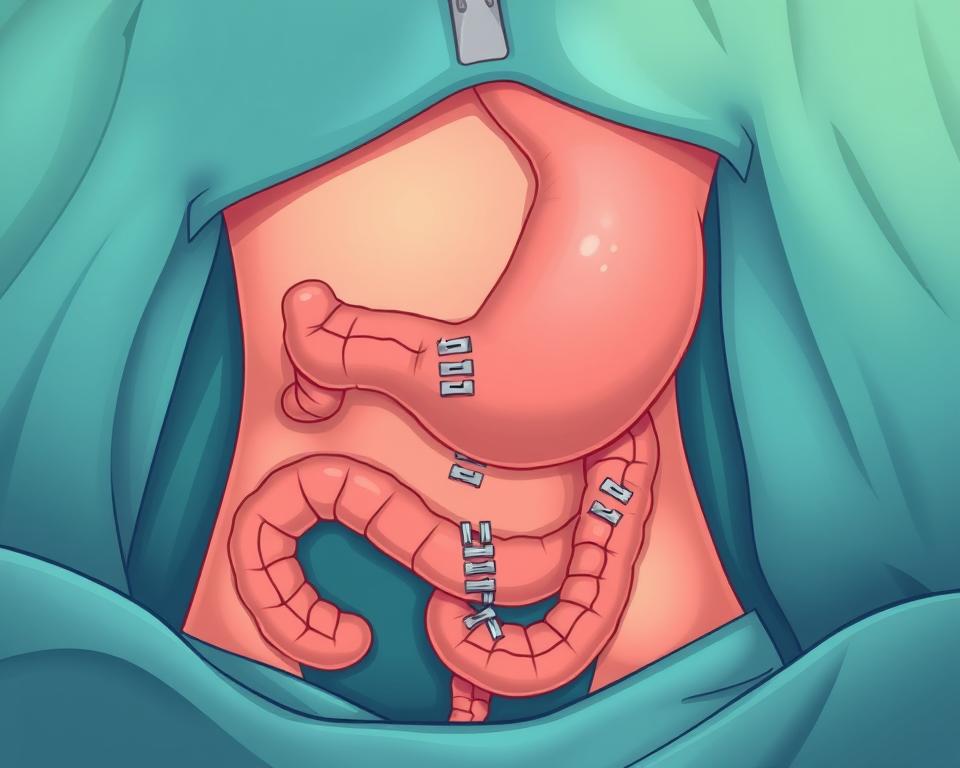
Modern techniques—including sleeve gastrectomy, Roux-en-Y gastric bypass, and duodenal switch—rely on Bariatric Surgical Stapling. These operations reconfigure the stomach and intestines to curb hunger, boost fullness, and improve glucose and lipid metabolism. Most are done laparoscopically or with robotic assistance, leading to less pain, shorter hospital stays, and faster recovery.

Using surgical endoscopic stapler devices and specialized tools for morbid obesity surgery, teams create accurate pouches and durable anastomoses. Benefits are substantial: within two years, many patients lose ≥50% of excess weight. Type 2 diabetes, hypertension, sleep apnea, and NAFLD commonly improve. However, sustained success depends on lifelong follow-up, nutrition planning, and vitamin/mineral supplementation.

Every operation carries inherent risks—bleeding, infection, anesthesia reactions, clots, or leaks. Still, outcomes remain strong with accredited teams and structured planning. This section explores how technique, technology, and training combine to make metabolic surgery both effective and safe.

  • Accredited centers demonstrate low complications and robust safety.
  • Bariatric Surgical Stapling enables precise, durable connections essential for modern metabolic surgery.
  • Common options include sleeve gastrectomy, gastric bypass, and duodenal switch, with SADI-S as a newer choice.
  • Laparoscopic/robotic methods reduce pain, shorten stays, and speed recovery.
  • By two years, many lose ≥50% excess weight with notable disease improvements.
  • Success depends on lifelong follow-up, nutrition, and appropriate use of surgical stapling devices and morbid obesity surgery tools.

endoscopic stapler

What Bariatric Surgery Treats and Why Safety Matters

Beyond weight reduction, bariatric procedures target obesity-related diseases to protect long-term health. The journey to safe bariatric surgery starts with meticulous screening and the utilization of advanced bariatric surgery tools in accredited facilities.

Obesity-related diseases improved by surgery

Patients frequently see better control over type 2 diabetes, hypertension, and dyslipidemia. As weight falls and anatomy changes, sleep apnea and GERD frequently improve. Many also witness improvements in nonalcoholic fatty liver disease, including NASH, and relief from osteoarthritis pain.

Evidence shows reduced risks of heart disease, stroke, and select cancers (breast, endometrial, prostate) after surgery. Patients also report better energy, mobility, and daily function.

When lifestyle change isn’t enough

Diet, exercise, and medication are the initial steps. When major comorbidities persist or weight returns despite effort, surgery is considered. Think of surgery as a tool—most effective alongside lasting nutrition, activity, and follow-up.

Clear expectations are essential. Structured programs combine behavioral modification with lasting results, supported by validated pathways and suitable bariatric surgery tools.

Multidisciplinary care for safer outcomes

Care is coordinated by a multidisciplinary team (surgeons, obesity medicine, bariatric anesthesia, nurses, psychologists, pharmacists, dietitians) from assessment through recovery. They optimize diabetes, sleep apnea, and cardiorespiratory or renal issues before surgery.

Accredited centers employ standardized protocols, checklists, and contemporary bariatric surgery tools to ensure safe bariatric surgery. Continuous follow-up, nutrition guidance, and medication review are essential to maintain weight loss and prevent the recurrence of obesity-related diseases.

Stapling Technology in Modern Minimally Invasive Techniques

Moving from open surgery to minimally invasive approaches has transformed bariatric care. Small ports, HD cameras, and precise dissection reduce pain and recovery time. Surgical linear stapler instruments are vital for creating safe, consistent tissue connections throughout the case.

Since the 1990s, advances enabled complex reconstructions (Roux-en-Y, duodenal switch, SADI-S) with improved safety.

Laparoscopic and robotic approaches reduce pain and recovery time

Today, most bariatric cases are laparoscopic, often with five or fewer small incisions. Camera guidance provides clear views for precise handling and stable stapling. Robotic platforms from Intuitive and Medtronic add wristed control and ergonomics that can reduce fatigue and improve consistency.

These methods often result in less blood loss and shorter hospital stays compared to open surgery. Patients often ambulate the same day and discharge after a short stay.

Stapling technology: laparoscopic and endoscopic

Stapling systems from Ethicon and Medtronic power key steps in sleeves and bypasses. These devices come with reload options that match tissue thickness, promoting hemostasis and clean transections. In select cases, endoscopic stapling technology or suturing tools can reduce stomach volume without external incisions.

Controlled compression and uniform rows allow secure pouches and joins, often reducing operative time.

Minimally invasive stapling tools used with general anesthesia

Cases occur in accredited hospitals under general anesthesia with continuous monitoring. Typical case times range from one to three hours, followed by observation in the post-anesthesia unit and a short stay on the surgical floor.

Anesthesia teams coordinate with the surgeon to time key steps around the use of surgical linear cutting stapler instruments. Care pathways emphasize early ambulation, multimodal analgesia, and safe discharge.

Approach Primary Tools Anesthesia Typical Benefits Common Settings
Laparoscopic laparoscopic stapling devices, camera-equipped laparoscope General anesthesia Less pain, lower blood loss, shorter stay Hospital OR with ERAS protocols
Robotic-assisted robot-mounted stapling instruments General anesthesia Enhanced dexterity, stable visualization Robotic OR (trained team)
Endoluminal endoluminal stapling/suturing systems Deep sedation or general anesthesia No external incisions, rapid recovery Endoscopy suite or hybrid OR
Hybrid stapling tools plus adjunct suturing General anesthesia Tailored tissue handling, flexible workflow High-volume bariatric centers

Stapling in Bariatric Procedures

Bariatric Surgical Stapling provides precise, repeatable sealing for gastric and intestinal tissue. Surgeons employ surgical stapling devices to divide tissue, control bleeding, and create secure joins—critical for a safe recovery and consistent outcomes.

How staplers create pouches and anastomoses

For sleeves, staplers resect most of the stomach to leave a narrow tube. For gastric bypass, a small pouch, similar in size to an egg, is created and connected to the intestine. This process utilizes a calibrated cartridge and tissue compression to ensure uniform rows and reliable anastomoses.

Appropriate stapler selection and reload choice match tissue thickness, supporting accurate workflow and staple-line perfusion.

Uses for linear and linear-cutting staplers

Linear staplers close/join tissue; linear-cutting staplers staple and divide in one step for speed and control during sleeves and jejunal joins.

For pouch and limb work, linear-cutting staplers help maintain alignment, minimize manipulation, and provide clean transections with consistent compression.

Staple-line consistency, hemostasis, and leak prevention

Consistent staple formation is essential for hemostasis and leak prevention. Surgeons verify tissue thickness, select the appropriate cartridge color, and ensure full compression before firing.

Closure is reinforced through technique: gentle handling, staple B-form inspection, and targeted oversewing when necessary. With the right linear stapler, linear cutting stapler, and gastric bypass stapler, Bariatric Surgical Stapling achieves uniform lines that minimize bleeding and leaks while preserving blood flow.

Which Patients Qualify for Metabolic and Bariatric Procedures

Eligibility is determined by medical necessity, safety, and readiness for lifestyle changes. Institutions (e.g., Cleveland Clinic, Mayo Clinic) evaluate BMI, history, goals, coverage, and commitment to long-term follow-up.

BMI cutoffs and comorbidities

Adults with a BMI of 40 or higher generally qualify. Those with a BMI of 35–39.9 and serious conditions like type 2 diabetes, hypertension, or severe obstructive sleep apnea are also eligible.

Select patients with BMI 30–34 and uncontrolled metabolic disease may be considered per guidelines with documented supervised attempts.

Coverage and long-term follow-up

Coverage varies (private, Medicare, Medicaid); confirm criteria, authorization, and costs.

Post-surgery, patients must adhere to a rigorous follow-up regimen with clinic visits, nutrition counseling, and labs to monitor vitamin/mineral levels and adjust medications for diabetes, sleep apnea, and blood pressure.

Preoperative optimization and smoking cessation

Pre-surgery evaluations include labs, ECG, and imaging as needed, plus activity and dietary changes to manage diabetes, OSA, and cardiovascular conditions.

Quitting all tobacco and nicotine products is imperative; hospitals like Kaiser Permanente and NYU Langone Health verify cessation before surgery to safeguard healing and reduce complications.

How Stapling Works in Sleeve Gastrectomy

Sleeve gastrectomy transforms the stomach into a narrow tube while preserving the pylorus. Surgeons use bariatric surgical stapling along a sizing bougie, targeting a diameter often under 2 cm, enabling efficient cases with shorter stays for many patients.

Resecting approximately 80% of the stomach with stapling instruments

Using surgical stapling instruments, the fundus and greater curvature—about 80% of the stomach—are divided and removed, creating a uniform, banana-shaped sleeve. In some centers, an endoscopic stapler assists in difficult anatomy, supporting precise control.

Consistent compression across variable thickness promotes hemostasis, target lumen, and reduced bleeding.

Impact on ghrelin, hunger, and fullness

Most ghrelin is produced in the gastric fundus; resecting this area often reduces hunger and leads to earlier fullness. Combined with reduced capacity, hormonal shifts lower intake and improve glucose control.

Typical EWL is ~50–60% by 1–2 years, sustained by diet, activity, and follow-up.

Reflux considerations after sleeve procedures

As the stomach becomes a tight tube, intraluminal pressure can rise and provoke/worsen reflux; patients with significant GERD often consider Roux-en-Y gastric bypass, which tends to improve reflux.

Careful sizing, attention to the incisura angularis, and reinforcement choices during stapling aim to reduce reflux triggers; for very high BMI, a staged sleeve with later bypass or SADI-S is an option.

Step Technique Detail Role of Stapling Clinical Rationale
Calibration Sizing tube/bougie along lesser curvature Guides target diameter Promotes uniform lumen and predictable restriction
Fundus Mobilization Short gastric vessels divided to free the fundus Ensures straight staple-line path for surgical stapling instruments Allows full fundus resection to lower ghrelin
Sequential Firing Linear cartridge fired from antrum to angle of His Compression, cutting, sealing Targets hemostasis and consistent sleeve contour
Assessment Leak testing and staple inspection Confirms outcomes of bariatric surgical stapling Reduces bleeding/leak risk
Reflux Mitigation Attention to incisura, avoidance of torsion Stable line promotes straight, low-turbulence channel Seeks to limit reflux and dysmotility

Stapling in Gastric Bypass and Loop Bypass Procedures

Precise stapling forms small pouches and secure joins; modern lap devices standardize processes with customizable limb lengths.

Pouch creation using a gastric bypass stapler

A gastric bypass stapler forms a ~30–40 mL pouch, divided from the remnant by a durable staple line.

Vertical loads along the lesser curvature yield a narrow, uniform pouch for early satiety and dependable emptying.

Roux-en-Y anastomoses and leak prevention

RYGB divides the jejunum, connects the pouch to the alimentary limb, and reunites biliopancreatic flow 3–4 ft downstream, balancing restriction and malabsorption.

Leak risk is mitigated via reinforcement, tension-free alignment, and perfusion checks, with laparoscopic stapling devices preserving tissue blood flow.

Bile reflux in one-anastomosis gastric bypass

A longer pouch with a single jejunal loop in OAGB yields strong loss but can expose the pouch/esophagus to continuous bile.

Monitoring, limb-length adjustments, selection, and endoscopic follow-up—plus meticulous stapling—help control bile reflux while maintaining efficacy.

  • Technique focus: calibrated sizing, gentle tissue handling, and staple-line assessment
  • Configuration choices: Roux-en-Y for reflux relief; OAGB for simplicity
  • Tools: tissue-matched loads for consistent formation

Advanced Malabsorptive Options Utilizing Stapling

For select patients with very high BMI or complex revision needs, malabsorptive surgery provides powerful metabolic change and relies on precise stapling to shape the stomach and create intestinal connections that alter absorption.

Duodenal Switch (BPD/DS)

The duodenal switch pairs a sleeve-like stomach with extensive bypass, delivering major weight loss and strong diabetes remission but with risks of loose stools, reflux, and protein/vitamin/micronutrient deficits.

Experienced teams use staplers to form the sleeve and duodenal anastomosis with consistent lines; close follow-up supports meal planning, hydration, and labs to manage long-term nutrition.

SADI-S

SADI-S uses a sleeve plus single DI anastomosis, simplifying the operation compared with classic DS, achieving strong loss and glycemic gains with somewhat fewer deficits.

Care teams rely on staplers to standardize compression and hemostasis; patients should expect structured nutrition visits and routine labs because SADI-S remains malabsorptive.

Nutrient Absorption, Vitamin Supplementation, and Risks

Less contact with absorbing bowel lowers calories and nutrient uptake; daily supplements and labs (A, D, E, K, B12, folate, zinc, copper, iron, calcium, protein) are key.

Counseling covers bowel habits, hydration, and reflux; reliable staplers plus strict follow-up help balance loss benefits with malabsorption risks.

Alternatives: Endoscopic/Laparoscopic Suturing and Stapling

Several less invasive options employ suturing and emerging tools to reduce stomach volume without permanent intestinal rerouting, suitable for outpatient care or as transitions to surgery.

Endoscopic sleeve gastroplasty and endoscopic stapler roles

Endoscopic sleeve gastroplasty reduces capacity with full-thickness sutures—up to ~70%—achieving up to ~60% EWL in some groups, though results vary and often lag surgical sleeves.

Endoscopic stapling and endoluminal suturing technologies strive to standardize the process, often without general anesthesia, though long-term durability is still being studied.

Laparoscopic gastric plication and durability considerations

Plication folds the greater curvature with sutures; weight loss is modest and some programs report higher complications or need for reoperation due to obstruction or fold loosening.

Because of variable durability, funding and adoption are limited; it’s reserved for carefully selected patients with thorough counseling.

Temporary intragastric balloons

Endoscopic balloons (500–750 mL saline, ~6 months) can yield ~30% EWL when paired with coaching.

Deflation/migration may cause obstruction requiring urgent surgery; candidates often seek short-term loss (e.g., pre-op joint replacement, fertility) or are unfit for definitive surgery.

Therapy Mechanism Anesthesia Setting Typical Course Expected Weight Loss Key Risks Best-Suited Patients
Endoscopic sleeve gastroplasty Endoscopic suturing/stapling to reduce volume Endoscopy suite; deep sedation or no general anesthesia Outpatient; structured diet and activity Up to ~60% EWL (variable) Reflux; rare bleed/perf; loosening Patients prioritizing low morbidity/no external scars
Laparoscopic gastric plication Seromuscular folding and suturing of greater curvature General anesthesia Same-day or overnight; diet progression Modest loss; durability varies Fold obstruction, nausea, revisions Highly selected after counseling
Intragastric balloon Temporary space-occupying saline device (500–750 mL) Sedated endoscopy ~6 months in place ~30% EWL w/ coaching Deflation/migration → SBO, intolerance Short-term goals or prehabilitation

With coaching, these options support satiety/portion control; balanced counseling should compare ESG, plication, and balloons to surgical choices and patient factors.

Risk Management, Complications, and Staple-Line Integrity

Every bariatric program begins with strategies to minimize complications and protect staple-line integrity—reviewing history, labs, and imaging to select the best procedure and applying precise stapling for consistent, safe outcomes.

Intraoperative risks and controls

Bleeding, infection, anesthesia events, VTE, and respiratory issues are managed by matching staple height to tissue and allowing full compression, using advanced Ethicon/Medtronic instruments.

Quality control includes perfusion verification, air/dye leak tests, and reinforcing vulnerable areas; early mobilization and prophylaxis mitigate thromboembolic risk.

Long-term risks: strictures, hernias, dumping, hypoglycemia

Depending on procedure: strictures, internal hernias (bypass), obstruction, ulcers, gallstones, GERD; malabsorption increases deficiency risks, demanding labs and supplements.

Dumping and reactive hypoglycemia are common after bypass; management starts with diet (less sugar, slower eating, more fiber/protein), sometimes acarbose, and TORe for enlarged outlets with regain.

Quality control with surgical stapling instruments

Quality control spans selection, handling, and verification: choose cartridge color/height by tissue, allow adequate compression, and confirm uniform rows.

Programs track outcomes and review leaks/bleeds in morbidity conferences; continuous refinement combined with reliable staplers enhances sleeve, bypass, and revisional results.

Outcomes, Weight Loss Expectations, and Disease Remission

Patients ask about real-world outcomes; results vary by procedure and adherence, but most see substantial loss within 24 months with better energy, mobility, and daily function.

Typical excess weight loss by procedure

Typical ranges: sleeve 50–60%, RYGB 60–70%, OAGB 70–80% EWL.

DS and SADI-S can approach or exceed ~100% in select cases; adjustable band ~30–40%; balloons ~30%—with many losing ≥50% by two years.

Procedure Typical Excess Weight Loss Time Frame to Peak Notable Considerations
Sleeve Gastrectomy 50–60% 1–2 years Lower complexity; monitor reflux
Roux-en-Y Gastric Bypass 60–70% 1–2 years Strong metabolic effect; ulcer risk with NSAIDs
One-Anastomosis Gastric Bypass ~70–80% 12–24 months High loss; monitor bile reflux
Duodenal Switch / SADI-S Up to ~100%+ 18–30 months Highest; strict supplements/labs
Adjustable Gastric Band 30–40% ~18–36 months Lower loss; adjustments required
Gastric Balloon ~30% 6–12 months Temporary; lifestyle drives durability

Comorbidity improvements

Bypass can improve glycemia early; BP/lipids often improve with fewer meds; sleep apnea severity usually declines with weight loss.

NAFLD/NASH markers commonly improve; RYGB can improve reflux; these patterns align with accredited-center data.

Lifestyle remains essential after surgery

Daily habits sustain success: protein-first diet, regular activity, portion mindfulness, tobacco avoidance, avoid NSAIDs after bypass, and take vitamins/minerals.

Regular visits and labs help convert weight loss into durable long-term outcomes.

Choosing Reliable Bariatric Surgery Tools and Manufacturers

Tool selection for sleeve/bypass emphasizes consistency, hemostasis, and ergonomics to support efficient teams under general anesthesia.

Evaluating bariatric surgery tools for consistency and safety

Surgeons scrutinize staple-line integrity, reload availability, and cartridge options for varied tissue; articulation and smooth firing minimize strain and aid precise placement; compatibility with trocars/towers is essential for high-volume programs.

Institutions examine supply resilience and quality metrics tied to leaks/bleeding; robust devices must integrate with checklists, trays, and sterilization protocols.

Ezisurg.com surgical stapling devices for gastric and intestinal workflows

Ezisurg.com offers laparoscopic staplers for sleeves, pouches, and anastomoses across RYGB/OAGB/DS/SADI-S, with cartridges spanning thick to delicate tissue for secure hemostasis.

These tools aim to standardize staple formation across diverse anatomy; reliable articulation and reload access help maintain momentum during complex procedures.

Support, training, and compatibility with laparoscopic systems

In-service training, proctoring, and support speed safe adoption; compatibility with current cameras/insufflators/energy consoles streamlines work.

When teams can rely on training, prompt service, and solid inventories, continuity of care improves; seamless integration with laparoscopic staplers streamlines setup and focuses on patient care.

Conclusion

At accredited U.S. centers, Bariatric Surgical Stapling enables precise sleeves, pouches, and anastomoses via lap/robotic methods, reducing pain, length of stay, and complications.

Procedure choice should align with patient goals and risk tolerance: sleeve, RYGB, OAGB, DS, and SADI-S each carry trade-offs such as reflux or malabsorption; less invasive endoscopic/laparoscopic methods exist with endoscopic staplers or suturing systems.

Success hinges on technology plus discipline: minimally invasive stapling tools and strict technique maintain hemostasis and prevent leaks, while lifelong nutrition, activity, and follow-up sustain results; multidisciplinary teams guide medications, vitamins, and behaviors for remission and long-term control.

High-quality devices (e.g., Ezisurg.com) contribute to consistency across gastric/intestinal workflows; with skilled teams, stapling enables safe, effective bariatric solutions that help patients in the United States achieve healthier, longer lives.

Frequently Asked Questions

Which diseases improve with bariatric surgery, and is it safe?

Surgery often improves or remits T2D, HTN, dyslipidemia, helps OSA, NAFLD/NASH, and GERD, and reduces risks of cardiovascular disease and select cancers. When performed at accredited centers with standardized protocols, these procedures are remarkably safe—often with complication rates lower than cholecystectomy or hip replacement.

If diet and exercise fail, when is surgery considered?

Surgery is considered after structured lifestyle efforts fail or when serious comorbidities persist; it’s a powerful tool—most effective with lifelong nutrition, activity, and follow-up—and candidates are screened for readiness.

How does a multidisciplinary team improve safety?

Accredited programs assemble surgeons, obesity medicine physicians, bariatric anesthetists, nurses, psychologists, pharmacists, and dietitians to optimize pre-op conditions and provide structured postoperative support that maintains outcomes and reduces complications.

Do laparoscopic/robotic methods reduce pain and recovery time?

Small-incision lap/robotic approaches reduce pain and length of stay and allow precise stapling for faster, safer recovery than open surgery.

What are laparoscopic stapling devices and endoscopic stapling technology used for?

They create gastric sleeves, small pouches, and intestinal connections with consistent staple lines in sleeve, RYGB, OAGB, DS, and SADI-S, promoting hemostasis and leak prevention.

Is general anesthesia used with minimally invasive stapling?

Yes—procedures occur in hospital settings under general anesthesia with monitored recovery, precise stapling, and team protocols that contribute to low complication rates and shorter stays.

What role do surgical stapling devices play in bariatric surgery?

Staplers enable division/sealing and robust anastomoses, providing consistent formation for hemostasis and durability.

How are linear staplers and linear cutting staplers used?

Linear staplers close/join tissue; linear-cutting devices staple-and-cut for sleeves and jejunal joins with hemostatic lines.

How do surgeons reduce leaks and bleeding along staple lines?

By matching staple height to tissue thickness, allowing adequate compression time, and using meticulous technique; reinforcement and intraoperative testing further mitigate risk.

Who is eligible for bariatric surgery?

BMI ≥40, or BMI 35–39.9 with serious comorbidities such as type 2 diabetes, severe OSA, or hypertension; some with BMI 30–34 and uncontrolled metabolic disease may qualify per guidelines.

What should patients know about insurance and long-term follow-up?

Coverage varies by insurer (private, Medicare, Medicaid); verify benefits and costs. Lifelong follow-up includes clinic visits, vitamin/mineral labs, and nutrition counseling to sustain weight loss and disease control.

Why stop nicotine and optimize before surgery?

Pre-op labs/imaging and control of diabetes/OSA reduce anesthesia and surgical risks, improve healing, and lower leak/bleeding; verified nicotine cessation further improves outcomes.

How does stapling remove ~80% of the stomach in sleeves?

Using laparoscopic staplers along a sizing bougie, surgeons resect ~80% of the stomach to create a tubular sleeve; the staple line seals tissue while preserving blood supply and hemostasis.

What happens to ghrelin, hunger, and fullness after a sleeve?

Fundus resection lowers ghrelin, so many patients feel less hungry and get full earlier, supporting weight loss and better glucose control.

Does a sleeve worsen reflux?

Yes. Increased pressure may worsen reflux; RYGB is often favored for significant GERD due to reflux improvement.

How is the pouch formed in RYGB?

Stapling creates a small (~30–40 mL) pouch; with intestinal rerouting, it supports weight and metabolic improvements.

How are Roux-en-Y anastomoses constructed and protected from leaks?

GJ and JJ are stapled; matching loads, tension-free alignment, and leak tests reduce risks; experienced teams and protocols add safety.

What should patients know about bile reflux after one-anastomosis gastric bypass?

OAGB’s single loop can expose the pouch to continuous bile, risking bile reflux, esophagitis, or Barrett’s; surveillance and individualized limb length are important.

How does DS compare for loss and risks?

DS often gives the greatest loss/remission yet demands rigorous supplementation and follow-up due to deficiency risk.

How does SADI-S compare with the classic duodenal switch?

A single duodeno-ileal join in SADI-S simplifies the operation and may reduce deficiencies vs. DS, yet lifelong vitamins/monitoring are still required.

What are the nutrition and deficiency risks with malabsorptive procedures?

Expect risks to iron, B12, folate, calcium, vitamin D, A/E/K, and trace minerals; labs and targeted supplements guided by a dietitian are essential.

What is ESG, and do endoscopic staplers help?

ESG uses endoluminal suturing to reduce gastric volume without incisions and can achieve meaningful loss with low morbidity; select endoluminal procedures may use endoscopic stapling/suturing tools, though long-term durability data continue to evolve.

Why is laparoscopic gastric plication less common today?

Because weight loss is modest and complication/durability concerns are higher than with stapled sleeves or bypasses, adoption is limited.

How do intragastric balloons work, and what are the risks?

Saline-filled balloons provide temporary restriction (~30% EWL); deflation/migration can cause SBO, requiring urgent care; close follow-up is essential.

What are the main intraoperative risks, and how are they managed?

Bleeding, leaks, anesthesia reactions, and thromboembolism are addressed with prophylaxis, meticulous stapling, and intraoperative testing to ensure staple-line integrity.

What long-term issues can occur after bariatric surgery?

Strictures, marginal ulcers, internal hernias after bypass, GERD, gallstones, obstruction, dumping, and reactive hypoglycemia can occur; early evaluation and tailored medical/endoscopic care (e.g., TORe) help.

How does quality control with surgical stapling instruments improve outcomes?

Matching cartridges to tissue thickness, allowing proper compression, and verifying formation enhance hemostasis and reduce leaks; consistent device performance supports reproducible results.

What weight loss can patients expect by procedure?

Sleeve ~50–60% EWL; RYGB ~60–70%; OAGB ~70–80%; DS/SADI-S highest; band ~30–40%; balloons ~30%.

Effects on diabetes, sleep apnea, and hypertension?

Many see rapid gains—type 2 diabetes remission may occur early (especially after bypass), with improved BP/lipids and reduced sleep apnea severity; NAFLD/NASH and GERD also often improve, particularly after RYGB.

Why are post-op lifestyle changes essential?

Sustained outcomes require nutrition, exercise, portion control, no tobacco, cautious NSAID use after bypass, vitamin adherence, and routine follow-up.

How do hospitals evaluate tools for safety/consistency?

Hospitals weigh integrity metrics, load ranges, articulation, reload logistics, ergonomics, system compatibility, supply resilience, and hemostasis data.

Which stapling solutions are offered by Ezisurg.com?

Ezisurg.com supplies stapling devices and endoscopic options for sleeves, pouch creation, and anastomoses in RYGB, OAGB, DS, and SADI-S, with cartridges tuned to varying tissue thickness.

Why do support, training, and system compatibility matter?

Manufacturer training, in-service education, and proctoring accelerate safe adoption; compatibility with trocars, towers, and anesthesia workflows helps standardize care and reduce leaks/bleeding.

Repairing Leaks With A 3/8 Compression Coupling

Max Adapter Compression Fittings For All Your Plumbing Needs

Could one simple coupling shift the way you complete jobs and cut callbacks?

You want dependable connections that fit common pipe sizes without fuss. At Installation Parts Supply, you can get female compression fitting parts that help sealing and alignment so installs stay clean and perform well under pressure.

These couplings suit many applications: sewer drainage, gravity flow lines, and quick repair work on iron, plastic, or steel pipe. Their built-in rubber sealing gasket design helps resist shear forces and assists with pipe alignment to create a tight, serviceable joint.

Documented specs like temperature range, nominal diameter fit, and vibration recommendations help you plan each job and select compatible valves and accessories fast.

At Installation Parts Supply, you can shop confidently knowing you’ll receive genuine parts, quick shipping, and friendly support, helping you get back to work with minimal surprises.

Your Source for Reliable Compression Connections at Installation Parts Supply

Why you’ll like these fittings for quick, leak-resistant hookups

max adaptor

Choose components that provide consistent pipe alignment and a secure sealing gasket without needing extra tools. You get fast, serviceable connections that work well for under-sink hook-ups, appliance lines, and light sewer repair tasks.

In this range you’ll find options compatible with copper, plastic, and selected steel components. Using 304 series stainless and other stainless steel parts helps improve corrosion resistance in wet environments.

  • With basic hand tools and proper torque guidance, you can assemble a tight mechanical seal.
  • Serviceable joints allow disassembly for maintenance without the need for solder or glue.
  • They work well for potable water, gravity flow, and many sewer drainage uses, but you should avoid high-vibration or high-temperature areas.
  • Nationwide stock plus friendly support help you choose the right coupling and get parts quickly.
Material Best Applications Key Feature
304 series stainless Potable water and light sewer work Strong corrosion resistance
Brass body Fixture lines, appliances Pliable, easier to install in cold conditions
Ductile iron / cast iron Sewer repair, gravity flow Durable under burial and heavy loads
Plastic (with insert) Low-pressure lines Lightweight, avoid shear forces

Max Adapter Compression Fittings: Features, Specs, and Performance

Get clear, measurable specs so you can pick the right coupling for each job without guessing.

You work with brass bodies made for copper, aluminum, and thermoplastic pipe. For plastic tubing, add the correct insert to maintain tube support and ensure a proper seal.

Temperature range runs from -65°F to +250°F (-53°C to +121°C). Such a wide window covers cold basements as well as warm mechanical rooms and remains within rated pressure limits.

Materials and construction

Brass construction pairs with rubber sealing components for shear resistance and reliable sealing. For corrosion-prone installations, series stainless steel parts such as 304 series stainless are offered.

Operating Parameters

These couplings are made for low- to medium-pressure liquid lines. They should not be used with steel tubing or pressurized gases. Vibration resistance is fair; choose a long nut if you need extra resistance to movement.

Standards and Tolerances

Machining holds +/- .02″ tolerance and meets ASA, ASME, and SAE requirements. Light Pattern (“L”) options adjust thread length while still remaining interchangeable with full pattern parts.

  • Not lead free; intended for plumbing and light industrial applications, including sewer repair and routine coupling swaps.
  • Check tube temperature ratings so all components stay within the fitting’s acceptable envelope.
  • Avoid excessive movement to protect ferrule grip and extend rubber seal life.
Feature Spec Value Notes Best Use
Material Brass or 304 series stainless options Rubber seal and securing cage available Copper, aluminum, thermoplastic pipe
Temperature -65°F to +250°F Refer to tubing temp for max pressure Cold water, warm mechanical rooms
Tolerance +/- .02″ Conforms to ASA / ASME / SAE Precise alignments and repeatable torque settings
Limits No steel tubing / no gaseous media Fair vibration resistance; long nut for more Low/medium pressure liquid applications

Installation Parts Supply keeps these spec-driven parts on hand so you can meet jobsite requirements confidently and with fewer surprises.

Pipe Compatibility, Applications, and Installation Notes

Checking material compatibility before you cut tubing saves time and reduces the chance of leaks later on.

These couplings are designed to work with copper, aluminum, and thermoplastic tubing. When using plastic tube, add the correct insert to support the wall and preserve the seal.

These parts, built for low- to medium-pressure liquid lines, suit fixture supplies, appliance hookups, and light sewer repair jobs. Because they are not rated for gaseous media or steel tubing, avoid those uses to stay within safe limits.

Installation Tips

  • Always cut tubing square and lightly deburr so the ferrule seats evenly.
  • Align the tube axis into the body and hand-start the nut to avoid cross-threading.
  • Tighten gradually to the recommended turn-of-nut and recheck after pressurizing.
  • In higher vibration areas, use a long nut and support neighboring runs to cut down movement.
  • Maintain clearance for future service so the nut, ferrule, and cage are accessible for inspection or repair.
Material Best Use Notes/Comments
Copper / Aluminum Fixture and appliance lines Straightforward installs with good sealing when torqued correctly
Thermoplastic Low-pressure water lines Requires insert to support the tube wall
Steel Not recommended Avoid use; select tube-rated couplings instead

You can count on Installation Parts Supply to supply the correct inserts, long nuts, and accessory parts for a smooth installation. By following a simple checklist—verify tube material, add an insert for plastic, align, tighten to spec, and recheck—you can cut callbacks and keep jobs running on time.

Pricing, Availability, and Related Solutions

Find clear pricing and fast availability so you can plan materials and labor with confidence.

Some manufacturers require retailers to follow a Minimum Advertised Price (MAP) policy. When an item is under MAP, the lowest price appears only after you add the product to your cart. You can view that price without commitment and remove the item any time.

Online Pricing: How It Works

Under MAP policies, the checkout process reveals the final low price for qualifying items. This protects manufacturer programs while still giving you transparency. When price-checking, add the item to your cart to see the actual offer and remove it if you decide not to buy.

Cost-Saving Combos and Related Options

You can often save money by choosing bundled parts or purpose-built valves instead of buying separate pieces.

  • At $12.92 each, the John Guest Angle Stop Max Adapter Valve (SKU PPASV-6) is commonly less expensive than buying a separate coupling plus valve.
  • Using bundles cuts part count, speeds under-sink installations, and lowers return risk because compatible components like cage inserts and clamping pieces are pre-matched.
  • With fast fulfillment and clear inventory, you can line up pipe, steel parts, and sewer repair components to keep jobs on track.
Purchase Option Use Notes/Details
Single Coupling Custom assemblies Flexible but may need extra parts
Angle Stop Valve (PPASV-6) Fixture shutoff point $12.92; often lower total cost than separate valve and coupling
Bundle (Valve + Insert) Under-sink installs Speeds work; fewer callbacks

Shop at Installation Parts Supply for competitive pricing, quick turnaround, and bundled solutions that simplify your cart.

Wrapping Up

When every joint matters, choosing the right part and support speeds installations and reduces callbacks.

You choose a practical, code-conscious solution for liquid supply lines when you pick the correct product and follow the installation guidance. Match copper, aluminum, or thermoplastic tubing—using an insert for plastic—to get a reliable seal that remains easy to service later.

Avoid using these fittings with steel tubing or any gaseous media to keep installations safe and within spec. Use recommended valves along with the proper cage and accessories to enhance vibration resistance and long-term performance for sewer and fixture work.

Installation Parts Supply stands ready to help you choose the right Max Adapter Compression Fittings and ship them quickly anywhere in the United States. If you need help, support is available from selection through checkout so you can finish clean, on time, and on budget.

FAQ

Which types of pipes are compatible with these compression connectors?

You can use these compression connectors on copper, aluminum, and many thermoplastic pipes when you include the correct insert for softer plastics. They are not intended for use with standard steel tubing or pressurized gaseous media. For cast iron, ductile iron, asbestos cement, and PVC sewers, always check the product’s nominal diameter and sealing gasket compatibility before installing.

What materials are used in the construction?

The bodies are brass, supported by stainless steel components in key areas, and a pliable rubber sealing gasket to help ensure leak resistance. Some variants include 304 series stainless steel parts and a high-impact securing cage or clamping system for added strength and durability.

How well do these connectors handle vibration and shear forces?

They’re designed to withstand vibration and moderate shear forces thanks to the steel click-lock clamping and a cast iron or ductile iron rated cage in heavy-duty models. The rubber sealing gasket helps maintain a tight seal, while the clamping system absorbs movement to protect joints from loosening.

Are these fittings suitable for cold-weather installation?

Yes. The rubber gasket remains pliable for easier install cold conditions, and stainless steel components resist embrittlement. For best results, follow torque guidelines and allow extra time for alignment when temperatures drop very low.

What are the pressure and temperature limits for these connectors?

These connectors generally operate in low-to-medium pressure plumbing applications and temperature ranges from about -65°F to +250°F for compatible materials. Always confirm the specific model’s rating, especially when working near upper temperature or pressure limits.

Are these connectors built to industry standards?

Many meet ASA/ASME/SAE tolerances with tight dimensional control (often +/- .02). Check model certifications and material listings to ensure compliance with your project’s codes.

Are pipe inserts necessary when using plastic pipe?

Yes. For most thermoplastic pipes, an insert is recommended to prevent deformation and maintain proper sealing. The insert helps maintain alignment and reduces risk of leak or failure under pressure.

How do I ensure proper pipe alignment during installation?

Make sure pipe ends are clean and square, use a guide or insert on plastics, and apply click-lock clamping evenly. With the securing cage and high-impact clamping system, alignment is maintained as you tighten to the recommended torque values.

Can these connectors be used for sewer repair and gravity flow systems?

Yes, certain models are suitable for sewer repair and gravity flow drainage provided they’re sized correctly for the nominal diameter and the rubber sealing gasket is compatible with wastewater. Verify compatibility with iron, cast iron, and asbestos cement pipe types if they are part of the run.

How are pricing and availability handled for online orders?

Pricing often follows MAP policy and you may see the lowest available price in your cart at checkout. Installation Parts Supply and similar vendors list related options such as angle stop valves and cost-saving combos; compare these to find the best solution for your budget and job.

What related options should I consider for cost savings?

Look for bundled valve-and-coupling combos, angle stop adapters, and multi-pack deals. Choosing stainless steel click-lock models only where necessary can save money while keeping steel components where strength is critical.

How long will the rubber sealing gasket last in sewer or drainage service?

The service life will depend on exposure to chemicals, abrasion, and temperature. In typical sewer and gravity-flow applications, a quality rubber gasket combined with stainless steel components can last many years. Be sure to inspect periodically and replace the gasket if you observe hardening or cracking.

Smart Landscaping For New Construction Washington D.C.

Washington, D.C. High-End Custom Construction Pros

Ever thought about a bespoke residence in Washington, D.C., blending timeless appeal with today’s conveniences?

Earth Bound Building creates bespoke homes that express metropolitan living. With in excess of three and a half decades of experience, the team introduces innovative thinking to DC. Their designs unite flowing plans and classic craft. Each contractor for home addition Washington D.C. project pays homage to the city’s character while integrating inventive ideas.

Meet Earth Bound Building: Your Luxury Home Partner

The firm guides homeowners toward refined designs that improve everyday living. They tailor every room to personal preferences.

In Washington, D.C. home construction services, they shine through deep local know-how. Another leader, Stanley Martin Custom Homes, is known for full-service site oversight and support. Earth Bound Building matches this standard with innovative ideas and premium materials.

From DC construction services, owners enjoy contemporary comfort paired with classic elegance. Each project blends smoothly into the city’s architectural landscape. The outcome is a refined retreat that showcases personal style while respecting Washington’s storied past.

new construction Washington D.C.

Advantages of Custom Designs for DC Life

Creating your own living space can be incredibly liberating. Earth Bound Building and other custom home builders in Washington D.C. merge innovative ideas with precise planning. This ensures each home meets the unique needs of the area. Their approach centers your choices across every feature. You get a durable urban refuge.

Tailored Plans for City Comfort

Personalized layouts make the most of tight lots. They support flex offices, hybrid rooms, and open circulation. This setup promotes convenience, ensuring privacy and functionality without sacrificing style.

Efficiency Upgrades for Greener Living

Sustainable materials with advanced systems cut energy needs and expenses. High-performance insulation, state-of-the-art windows, and optional solar solutions make homes more energy-efficient. Such features produce eco-forward retreats distinct in the city.

Benefit Impact
Custom Floor Plan Enhanced Space Optimization
Energy Efficiency Reduced Utility Costs

Washington, D.C. Custom Homes — Making Vision Real

Starting a custom home project in Washington D.C. is a thrilling chance to create a home that mirrors your unique taste. Partnering with experienced pros such as Earth Bound Building makes ideas tangible. Open communication, as Westbrooke Homes notes, keeps your goals central.

Luxury home builders in D.C. often use cutting-edge materials and innovative methods, making each home fit the client’s lifestyle. Customization is more than style—skill plus intent create a statement in the capital. With agile partners, your concept becomes a comfortable, inviting home. The end result is a notable DC residence aligned with the city’s forward energy.

Guiding Permits and Codes in Washington, D.C.

Planning a dream home in Washington D.C. requires meticulous paperwork and a deep understanding of local regulations. The Earth Bound team assists homeowners in navigating the permit process, guiding them through each step until all documents are in order.

Securing Building Approvals

You’ll submit site plans, architectural documents, and utility specifics to city offices. Stanley Martin Custom Homes indicates approvals often run five to six months. So begin early. Working with residential construction contractors washington d.c. can make this process smoother.

Zoning Rules in the District

Limits on height and local ordinances guide decisions. They guide compliance with setbacks and preservation standards. Prompt research limits delays and risks.

Craftsmanship Focused on Every Detail

Detail and texture set a home’s day-to-day tone. They concentrate on finely executed touches throughout. This dedication leads to refined artistry that values comfort as much as style. Custom elements in customized homes washington d.c. show originality.

Luxury Finishes & Materials

Top-grade hardwood, custom cabinetry, and curated fixtures define character. A thoughtful material mix improves rooms for the long term. Owners of customized homes washington d.c. get curated choices balancing beauty and durability.

Finish Standout Quality
Premium Hardwood Welcoming feel with robust longevity
Custom Cabinetry Storage tailored to style and need
Signature Countertops Curated tops with enduring appeal

Working Hand-in-Hand with Architects

Earth-Bound Building add design intelligence to projects, collaborating with Earth Bound Building for cohesion. They blend function and form to realize durable features. This synergy drives everything from grand structural elements to intimate finishing details.

DC Home Additions, Seamlessly Done

Adding space takes expertise and careful detail. It’s about blending a new space into the existing layout with creativity and skill. They deliver this integration across DC projects.

Staying receptive to trends is key. Being open inspires extra bedrooms, expanded kitchens, or bright living rooms. Up-to-date design ensures cohesive connections.

A trusted home addition contractor in Washington D.C. focuses on durability and harmony. Finishes and systems should align with existing standards. Lasting satisfaction arises from style, comfort, and sustainability together.

They unite novel thinking and steady delivery. Careful planning produces an upgrade that complements your design. You’ll appreciate improved spaces that fuse modernity and timelessness.

Find the Right DC Addition Builder

Expansion can reshape daily life. Outcomes hinge on skilled building and sound advice. Look for teams that value collaboration and quality. Established DC companies bring consistency and creativity.

Assessing Work Samples and Tenure

Completed builds display design voice and execution. Strong DC teams balance style with function. Earth Bound Building’s portfolio features elegant additions for different lifestyles. A clear process minimizes lag and uncertainty.

Setting Realistic Budget and Schedule

Upfront budgeting and scheduling save time. Open estimates set expectations and curb uncertainty. Budget/schedule transparency keeps projects steady. Clear communication keeps progress on track.

DC New Construction: Material Selection

Every step in your new build is shaped by the materials you choose. Experts like Earth Bound Building help choose DC-suitable materials. Choose lumber, steel, and structure carefully for stability and longevity. Finally, fixtures, counters, and accents tailor the feel.

Westbrooke Homes underscores flexibility and creativity in plans. The same thinking guides materials, blending style with function. DC builders provide informed guidance on finishes and buildability. It produces a unique, all-season home with market appeal.

Achieving Luxury and Comfort with Custom-Built Homes in D.C.

Building an elegant DC home blends convenience and warmth. Experts guide each project, adding unique features and styles that make daily life richer.

Top-tier construction pairs intentional layouts with quality finishes and smart tech. Spaces are customized for beauty and performance. Demand for DC additions is rising as families add space with creative plans.

Smart Home Technologies for Modern Living

Homeowners often want automated lighting, climate control, and security systems to simplify their lives. Stanley Martin Custom Homes presents SMart Home Models, with virtual tours to inspire. These features blend comfort with the latest technology, creating a connected home environment.

Partnering with DC Luxury Builders

The right builder makes details like cabinetry and voice tech match you. Top partners deliver rooms that balance luxury and utility. It reframes city living, elevating homes into experiences.

Enhancing Curb Appeal with Residential Construction Contractors in Washington D.C.

Street presence anchors first impressions. Warm entries and balanced details help homes stand out. Pros tune upgrades to local context and your taste.

Earth Bound Building is adept at upgrading facades and landscapes. They, like Westbrooke Homes, invest in exterior craft. They blend materials and fine-tune color palettes, reflecting modern design while preserving the city’s character.

Working with top DC builders inspires new ideas. Path upgrades, thoughtful greens, and focal openings raise presence. They keep innovation aligned with durability and value.

Wrapping Up

In Washington D.C., where old meets new, deciding to build or expand is a game-changer. Working with a reliable contractor for home additions in Washington D.C. makes the journey smoother. The team fuses DC identity with smooth execution.

Stanley Martin notes that ground-up builds can be budget-wise. Success depends on aligning materials, labor, and management. Your style comes through within budget. Thoughtful planning ensures every modern touch has a purpose.

DC builds or additions reward those who value heritage and innovation. You’ll display your style and respect the city’s past.

Questions & Answers

Q: What sets Earth Bound Building apart from DC addition companies?

A: The firm pairs architectural innovation with high-caliber craft. They understand local regulations deeply. This helps ensure exceptional DC additions. With clear communication, additions blend seamlessly.

Q: Why is DC custom home building distinctive?

A: DC custom homes blend contemporary design with historic character. You must meet tight zoning rules. Partnering with experienced contractors like Earth Bound Building offers expertise in navigating these regulations. This expertise allows us to craft designs that capture D.C.’s urban essence.

Q: What’s the benefit of a specialized DC addition builder?

A: They match additions to your home and navigate permits. We keep timelines efficient and structure continuous. That keeps expansions cohesive and functional.

Q: Tips for sustainable new builds in Washington, D.C.?

A: Select efficient windows and upgraded insulation. Earth Bound Building works with local specialists. They suggest and install sustainable options to cut costs and support green practices.

Q: Which DC zoning issues affect custom homes?

A: Strict rules challenge DC custom builders. Examples: height caps, setbacks, and neighborhood rules. Experienced contractors help maintain compliance from concept through approval.

Q: How do DC luxury builders enhance comfort and function?

A: Luxury home builders in D.C. focus on blending modern amenities with timeless design. Earth Bound Building applies premium materials and advanced systems. That includes smart tech and premium finishes for elegant, practical homes.

Q: When comparing home addition builders in Washington D.C., what should I look for?

A: Look at their portfolio, client reviews, and expertise in similar projects. A reputable contractor will be transparent about budget, timelines, and challenges like permit delays. This ensures you partner with a team that understands your vision and can deliver effectively.

Q: What financing exists for DC custom builds and additions?

A: Yes, many financial institutions offer construction loans for new homes and large additions in Washington D.C.. Working with an experienced contractor familiar with these programs can help. That can streamline approvals, improve terms, and protect your budget.

The Best Junk Haulers In Thousand Oaks

Your Trusted Junk Pickup Service in Thousand Oaks

“Have nothing in your house that you do not know to be useful, or believe to be beautiful.” This timeless advice from William Morris captures the heart of what a truly functional space should be. It focuses on creating an environment that supports your life, not one cluttered with items that no longer serve a purpose.

I understand how quickly unwanted items can accumulate, turning useful areas into stressful zones. The overwhelm is real. My mission is to help you reverse that process with junk clean up Thousand Oaks. I provide a comprehensive solution for homeowners and businesses ready to take back their space.

My commitment is to deliver a process that is both efficient and professional. I take on projects of any scale, from small residential cleanouts to large commercial undertakings. You can expect a streamlined experience that cuts the hassle from your cleanup.

Your trusted local partner should blend speed with eco-responsibility—that’s exactly what I do. I work to make your property clean, organized, and fully functional again. Discover how a clutter-free space can improve daily living.

Key Takeaways

  • Taking back your space from clutter meaningfully cuts stress and improves function.
  • A pro cleanout service removes items you no longer need, useful or beautiful.
  • Efficient removal processes are available for both residential and commercial properties.
  • Choosing a local provider ensures a personalized and responsive experience.
  • Eco-responsible disposal is central to the process.
  • A streamlined approach takes the hassle and overwhelm out of dealing with accumulated items.

Get to Know Dude Where’s My Junk Inc.

Dude Where’s My Junk Inc. was born from a simple idea: reclaiming space should be straightforward and stress-free. I recognized the need for a provider that treats every client with respect and handles every job with care.

junk and donation removal Thousand Oaks

Mission & Values

I’m on a mission to provide exceptional junk removal. Your satisfaction and the environment come first. Each interaction rests on transparency, reliability, and integrity.

From start to finish, you’ll know what to expect. To me, success is the positive impact on your life—not merely how much I haul away.

Quality You Can Count On

I invest in rigorous team training and pro-grade equipment. Safety and efficiency lead everything we do. I go the extra mile on each project to earn your trust.

That dedication reaches the community via charitable partnerships. As a responsible junk removal operation, I keep practices sustainable. Your property gets careful treatment for minimal disruption and optimal results.

What Makes Our Thousand Oaks Junk Pickup Stand Out

What truly separates exceptional property clearing is a dual commitment to rapid response and customized approaches. While many providers offer basic hauling, I built my operation around two core principles that customers value most.

Focus on Fast and Efficient Pickup

I recognize that your time is precious. That’s why I prioritize swift scheduling, frequently accommodating same-day or next-day appointments.

You’ll receive a courtesy call 15–30 minutes before I arrive. This system keeps you informed and eliminates waiting around.

Personalized Service for Your Space

Each property poses unique challenges. I assess your situation carefully before starting.

This tailored method ensures I understand exactly what needs to go and how to handle it properly. Your daily routine experiences minimal disruption because I work quickly yet thoroughly.

In Thousand Oaks, speed and personalization go hand in hand, delivering a fully satisfying removal experience.

Comprehensive Junk Removal Solutions

Moving from overwhelmed to organized starts by understanding your property’s needs. I provide complete removal services for any scale with precision and care.

Different spaces require different strategies. For residential or commercial needs, I adapt methods to fit.

Home Junk Removal

Homeowners get thorough removal that transforms living areas. From memory-packed attics to long-stored garage piles, I help you reclaim your home.

This process includes handling unwanted furniture, old appliances, and general household clutter. Every project receives the same dedicated attention to detail.

Business Junk Removal

Businesses require efficient solutions that minimize operational disruption. My commercial junk removal services address office cleanouts, retail space updates, and facility maintenance.

I work with various property types, including residential commercial buildings that combine both living and working spaces. Flexible scheduling ensures business continuity during the removal process.

No matter the scope, I deliver results that restore functionality and peace of mind.

Eco-Friendly Disposal & Recycling

Environmental stewardship guides every decision I make when handling materials from property cleanouts. I believe responsible waste management should benefit both our planet and local residents.

My commitment extends beyond simple removal to creating positive environmental impact through thoughtful disposal methods.

Local Donation Partnerships

I’ve established strong relationships with organizations like Goodwill and Habitat for Humanity ReStore. When I collect unwanted items that remain in good condition, they receive a second life through these community partnerships.

This approach supports local families while reducing landfill waste. Your former possessions can become someone else’s valuable resources.

Sustainable Recycling Practices

With careful sorting, I divert about 70% of materials from landfills. Metals, wood, electronics, and plastics follow dedicated recycling streams.

This systematic recycling process contributes to a circular economy where materials get reused rather than discarded. You gain peace of mind knowing your cleanup supports sustainable practices.

Tailored Removal Services for Any Clutter

Every cleanout project presents its own unique challenges and material types. I’ve developed specialized approaches to handle the full spectrum of unwanted materials you might need cleared from your property.

Specialty Items & Construction Debris

Bulky, hard-to-move items get careful handling—appliances, electronics, pianos, mattresses, and other furniture needing pro techniques.

For renovation or building projects, I provide comprehensive construction debris removal. This service covers materials like wood, drywall, concrete, metal, and roofing materials that accumulate during construction work.

Timely debris removal maintains safe sites and keeps projects efficient. Left alone, construction debris quickly becomes hazardous.

Customized Service Packages

Flexible packages let you bundle services for your needs. From ongoing construction pickups to one-time furniture clears, I match your timeline.

Each material type gets suitable handling for safe removal and proper disposal. Tailoring ensures you get what you need without extras you don’t.

Skilled Team & Professional Crew

The strength of any operation lies in the people who execute it daily. My expert team consists of trained professionals dedicated to outstanding results on every project. They bring both skill and positive energy to each job.

I personally ensure each crew member receives thorough training in proper techniques and safety protocols. This includes customer service excellence that makes the entire process smooth for you. My hiring process focuses on finding people who share my commitment to reliability.

My hauling specialists have extensive experience with items of all types and sizes. From delicate possessions to heavy construction materials, they handle everything with care. Regular training sessions keep their skills sharp and consistent.

With my professional team, expect courtesy end-to-end. They coordinate smoothly to perform removal efficiently while upholding safety. Clear communication keeps you informed.

This dedicated crew approaches each project with respect for your property and situation. Their strong work ethic means the job gets done right the first time. You receive the quality junk removal experience you deserve.

Transparent Pricing and Free Estimates

When it comes to clearing unwanted items, knowing the investment required provides peace of mind. I believe honest communication about costs builds the foundation for a positive experience. My approach ensures you understand every aspect of the financial commitment from the start.

Upfront Affordable Rates

My pricing structure is designed with fairness in mind. I base rates on the actual volume of materials and truck space needed for your specific situation. This method guarantees you pay only for what requires removal.

No hidden fees, no surprises. Your quote equals your final total. Transparency keeps professional removal accessible without strain.

Easy Quote Process

Free estimates are simple. Call or use the online form to outline what you need cleared, and I’ll prepare a comprehensive quote tailored to you.

On-site, we review items together for accurate pricing. This collaborative process gives you clarity to decide—no pressure, just honest guidance.

Because pricing is transparent, you can trust the numbers—cutting uncertainty so you can focus on reclaiming space confidently.

Efficient and Timely Service Delivery

My commitment to timely service delivery means your cleanup happens on your schedule, not mine. I understand that when unwanted items accumulate, you want them gone quickly. That’s why I prioritize speed without sacrificing quality in every project.

Flexible scheduling is central. Same-day or next-day appointments are often available so you won’t wait long to reclaim space.

Most removal projects complete within hours, not days. My efficient processes minimize disruption to your daily routine. From initial contact to final cleanup, every step maximizes productivity.

I respect your time by arriving within scheduled windows and working diligently. My crew coordinates logistics carefully, arriving prepared with proper equipment. Even complex projects maintain efficient completion timelines.

This reliable approach has built my reputation for dependable service. Clients know they can count on me to show up and get the job done right. Timely delivery remains at the core of what makes my services stand out.

Areas We Serve: Thousand Oaks & Beyond

When you need reliable help, coverage matters. I’ve structured operations to serve a broad network across the region.

This expansive coverage ensures that whether you’re in the heart of Thousand Oaks or surrounding neighborhoods, help is always nearby. My commitment extends across multiple cities and towns.

Local Neighborhoods Covered

I’m proud to serve the Thousand Oaks area comprehensively, plus nearby communities with similar needs.

My local coverage spans Woodland Hills, Calabasas, Canoga Park, and Tarzana. I also regularly serve West Hills, Westlake Village, Agoura Hills, and Oak Park.

Extended Service Areas and Partnerships

My operations extend throughout the San Fernando Valley and Conejo Valley regions. This broader service area includes communities across both Los Angeles and Ventura Counties.

I have strong ties in Chatsworth, Porter Ranch, Northridge, Simi Valley, Newbury Park, and additional San Fernando Valley locations within my regular radius.

This extensive coverage means consistent quality regardless of your location. The same reliable assistance available in Thousand Oaks extends throughout all areas I serve.

Customer Testimonials and Real Success Stories

Few things speak more loudly about the quality of my results than the authentic stories of happy clients across our area. The feedback I receive tells the actual story of how my careful approach changes spaces and lives.

Customers reliably praise my crew’s professionalism and positive attitude during every assignment. They appreciate how promptly and efficiently we finish jobs, often finishing faster than expected without cutting corners. This dedication to quality shows in every interaction.

A great number of client notes underscore the diligence and supportiveness of my crew professionals. Clients notice when we push beyond the basics to deliver full satisfaction. This ethos extends to handling not just routine removal but also relocation help when needed.

My case studies include transforming cluttered homes before relocations and assisting offices with fit-outs. Each engagement demonstrates how end-to-end services create functional, neat environments. I’m grateful for the faith clients give us.

The positive reviews and recommendations drive my work forward every day. Real client results demonstrate that high-quality removal work has a real impact in households and workplaces.

Booking Your Junk Pickup Service Today

Taking the first step toward a organized environment is as simple as it can be. I designed my appointment flow to reduce hassle and get you quick results.

Scheduling for Convenience

You can start the booking with a quick phone call or by submitting my online inquiry. I accommodate your availability to find appointment times that fit your life.

During our introductory consultation, I gather information about your particular situation. This helps I arrive fully ready with the right equipment and team size.

Adaptable Booking Choices

I understand that different situations require different schedules. My flexible scheduling provides same-day availability when possible.

Next-day slots are routinely accommodated, along with planned appointments for planned cleanouts. I offer Saturday–Sunday and extended hours to cover various availability windows.

All bookings receive confirmation and reminders. I call you 15-30 minutes before we arrive so you know precisely when to expect us.

This frictionless approach makes arranging junk removal services simple. No matter if you need urgent help or future scheduling, I adjust to your schedule.

Modern Ways We Handle Junk Removal

Modern tools has revolutionized how we approach cleanouts projects. I use modern tools and proven techniques to improve both speed and protection during every project.

My set includes dedicated trucks designed for various waste streams. From home goods to bulky renovation waste, each truck handles a dedicated purpose. This tailored approach ensures proper handling for all items.

Up-to-Date Gear and Processes

I use safe loading techniques that protect surfaces while accelerating the process. Commercial-grade tools allow my team to securely handle items that would be hard for homeowners. This includes specialized equipment for construction materials like metals, wood, and masonry.

For job-site cleanup, I employ dedicated bins and segregation processes. These workflows enable proper diversion and environmentally sound handling. My procedures continually evolve based on current standards and compliance requirements.

Technology also streamlines coordination throughout the project. You stay informed from scheduling to completion. This innovative approach blends equipment with digital systems for seamless junk removal services.

Final Thoughts

The shift from cluttered chaos to calm order is well within reach. As your reliable removal company in Thousand Oaks, I’m focused to giving back every inch of your useful area.

No matter if you need home or business service, construction debris clearance, or furniture removal, my all-in-one approach takes care of it. My expert team delivers responsible handling of every item, from recyclables to lawful disposal.

I provide clear pricing and complimentary quotes to make professional removal within reach. My dedication to our neighbors and sustainability sets me apart as your trusted partner throughout the San Fernando Valley area.

When you need consistent removal services that Thousand Oaks residents choose, reach out for your no-obligation quote. Let’s team up to create the orderly, organized environment you expect—get in touch today to begin your transformation.

Abstract XL For Double-Height Living Rooms

Browse My Collection of Big Abstract Canvas Art

“Creativity takes courage,” Pablo Picasso once said, and that courage shows in pieces that command a full wall and change how a room feels.

I encourage you to browse my curated collection of Blue Abstract Painting that blends studio craftsmanship with easy ownership. I focus on genuine, textured hand-painted pieces and budget-friendly prints so you can choose the perfect size without logistics stress.

The assortment includes statement-making abstract wall art for the family room, dining spaces, and foyers. I use a proprietary DIY giant-canvas stretcher to make oversized hangs easy to install and enjoy.

I offer made-to-measure sizes, encrypted checkout, and fast shipping so your new piece fits your wall and your life. Shop styles from coastal-inspired ease to black-and-white minimalism and select what brings your home to life.

Highlights At A Glance

  • I curate large-scale art that suits current interiors without overspending.
  • Many pieces are crafted with tactile, hand-applied texture for dimensional interest.
  • The DIY stretching system reduces shipping issues and simplifies mounting.
  • Bespoke dimensions fit awkward spans and heights.
  • Price tiers go from entry-level prints to high-end canvases.
  • Quick delivery and round-the-clock help streamline the purchase experience.

Blue Abstract Art

Why This Edit Works For Modern Homes

I designed this lineup to match modern daily living — open-concept layouts, multi-purpose spaces, and simple layouts that need one confident piece to pull everything together.

I picked pieces across abstract, coastal, and black & white styles so the collection slots easily into real spaces. Each selection is meant to create a definitive centerpiece on a single wall without dominating the space.

Vendors I source from provide fully hand-painted choices, secure checkout, complimentary global shipping, and 24/7 support. Many canvases can be customized in size and shape so the artwork fits tricky proportions like hallways or above-sofa installations.

I prioritized palettes and colors that coordinate with popular American decor — sandy neutrals, blue-and-white mixes, and clean black notes. I also prioritized texture that catches light and adds depth, so the wall looks curated even with minimal furniture.

In short, I built this collection to reduce decision fatigue. Reliable craftsmanship, low-stress shipping, and versatile styling allow one canvas to set the tone and guide the rest of your decor decisions.

Oversized Abstract Wall Art

I carefully pick extra-large canvases that carry from a distance and make a statement without shouting.

I begin with textured selections that build visual flow. Palette knife works like Abstract Canvas Art feature tactile ridges you can see from a sofa. Gold Leaf Painting Navy Blue Snow Mountain (Wp061) adds subtle luxe detail for dining rooms or foyers.

Top Large-Format Choices For Living Rooms

I favor 48×60 and larger formats so the work balances properly over sofas. These sizes ground the space and allow palette and texture to lead.

Textured statements: 3D and palette knife pieces that add life

High-relief surfaces and 3D layers make the wall tactile. They evolve through changing light and invite closer viewing.

Monochrome Minimal Picks For Workspaces

Black-and-white works like “Black Abstract” keep a workspace focused. High contrast sharpens the room without distracting the eye.

Coastal Hues For Breezy, Open Rooms

Hushed blues and foggy neutrals—think “Blue reflection” or “Beautiful Bay”—bring an airy feel to open plans. These picks soften large rooms with subtle hues and coastal cues.

Piece Dimensions Look Price Range
Blue White Palette Knife (Yp109) 60×48 Textured, palette knife $115–$219 handmade
Navy Blue Snow Mountain (Wp061) 60×48 Gold-Leaf Accent $130–$219 (handmade)
Blue Reflection / Beautiful Bay 48×60 Coastal, blue white palettes $115–$180 (varies)

Blue, White, And Gold: Palettes That Improve Any Space

Palette choices influence room feel; I lean on blue, white, and gold to improve a room with ease.

Blue/white mixes lighten a family room by delivering crisp coastal calm. I style Big Abstract Canvas Art with natural wood and linen. Placing a big canvas opposite a window improves light bounce.

Blue & white serenity for the living room

Deep navy, bone, and bright white soothe the seating wall. I favor “Blue reflection” and other blue/white pieces to add gentle movement. They match brass accents and oak tones.

Gold Touches For Dining Rooms And Foyers

Blue–White–Gold combos and the Gold Leaf Painting Navy Blue Snow Mountain Wp061 add a reflective shimmer. In dining rooms, gold reflects light to improve hosting moments.

High-contrast black & white that anchors modern decor

When I want clarity, I specify high-contrast black-and-white work to ground simplified layouts. These pieces let vivid textiles shine without clashing.

Palette Best Room Primary Impact Example
Blue & White Living room Airy, coastal calm Blue reflection
Blue/White/Gold Dining / Entry Warm shimmer, luxe feel Blue/White/Gold Abstract Wall Art
Black & White Workspace / Lounge Strong structure, modern Textured monochrome oil

Scale Matters: How I Choose the Right Large Abstract for Each Space

Smart sizing improves spatial balance and how your wall presents.

I begin by measuring furniture and wall span so the piece feels intentional. For sofas 72–90 inches wide, a 48×60 large abstract typically works best.

Vendors frequently have custom sizing and DIY stretching systems. Those options simplify handling and mounting and reduce shipping complexity.

48×60 And Beyond: Matching Big Art To Each Room

I align canvas width with furniture: over a dining table, I approximate the table/buffet span and keep a small clearance above.

In offices, I prefer one bold piece that sits just above shelving so the composition can breathe.

Single statement vs. diptych: balancing wall width and ceiling height

“For broad spans, a diptych can cover the distance without creating a single unwieldy canvas.”

  • I use verticals with tall ceilings and horizontal 48×60 formats in standard rooms.
  • I hang centers near 57–60 inches, tweaking for sofa height.
  • When walls are constricted, I pick slimmer panels or paired panels to preserve proportion.
Situation Typical Size Tip
Over-sofa wall 48×60 Keep equal side margins
Dining wall Similar to table length Maintain a clean gap above the surface
Expansive wall Two panels or XL Divide into panels for symmetry

Quality I Rely On: Handmade & Custom

What I prioritize is the material presence of a piece — the gestures, relief, and finish that shift as light moves.

I favor 100% hand-painted pieces because true handwork and palette-knife texture play with light and enliven the surface. These gestures yield unique nuances that make each artwork unique.

Why texture matters

Thick impasto and raised strokes create kinetic feel. In rooms with lots of natural light, that texture evolves with time and maintains engagement.

Custom Dimensions

I commission tailored sizes to fit unusual spans, alcoves, and above-sofa placements. That prevents odd margins and preserves proportion.

“Handmade work responds uniquely to each space; the surface and size should read as designed.”

Feature Benefit Best Use
100% hand-painted Unique surface, light play For signature walls
Palette knife / impasto Dimensional relief Sunlit spaces
Made-to-measure Proportional harmony Tight or specific spans
Free worldwide shipping & support Hassle-free buying When timing and delivery matter

Low-Friction Ownership: DIY Stretching & Fast Help

Owning large-scale work ought to be easy — not a shipping headache. I pick vendors that remove friction so the piece integrates seamlessly.

My go-to is a proprietary DIY stretcher for giant canvases. It ships big canvases compact and finish on site. That tames delivery and keeps setup easy.

DIY Stretching + Fast Free Shipping + Always-On Support

Vendors ship free and fast, secure checkout, and round-the-clock support. I call support to confirm sizes, finishes, and lead times before I schedule an install.

“Plain tracking plus straightforward stretching turn XL art into a doable project for more homeowners.”

  • I follow unboxing pointers and set up a neat stretch space.
  • Trade programs streamline my selections and confirm shipping windows for projects.
  • Secure checkout and tracking reduce stress from order to delivery.
Offering Value When I use it
DIY stretching system Compact shipping, simple setup Oversized orders
Complimentary quick shipping No surprise costs, fast arrival Room refreshes on schedule
Always-on support Rapid assistance and guidance Coordinating multiple pieces

Making Big Abstracts Work In Every Room

When I style wall art, I coordinate dimensions, tones, and texture to make the composition feel deliberate and lived-in.

Living Room Impact: Color/Furniture Pairing

I usually place the big canvas above the sofa and echo two or three key colors in pillows and a throw. That forms a clean visual bridge between the piece and the seating area.

I favor pared-back silhouettes when the wall is assertive so the artwork can set the tone. Then I add a single metallic accent to pick up any gold leaf or shimmer.

If the palette is navy and white, I layer warm timber and texture. Those choices keep the room welcoming and make the living room inviting.

Dining and office: creating focus with neutral, blue, and black/white pieces

In the dining room I place the artwork in line with the table and select calm neutrals and blue/white that don’t compete with dinnerware and florals.

For a modern office, black-and-white pieces set a crisp framework. I pair with foliage and wood for warmth and to anchor the wall visually.

  • Extended walls achieve harmony with a tall lamp or slim credenza so the composition reads as intentional.
  • Low ceilings call for wider orientations to balance vertical limits.
  • I layer ambient, task, and accent lighting so textures and colors read well from day to night.

Conclusion

Choose the right canvas to refresh your space without adding complexity.

I assembled this edit so selection becomes straightforward for your home. I offer 100% hand-painted options, custom dimensions, and pieces that suit living areas, dining rooms, and workspaces.

Shipping is free and fast, checkout is secure, and 24/7 support helps with sizing and installation. The DIY giant canvas stretching system keeps oversized pieces simple to finish on site.

Explore the collection, pick an abstract wall art or coastal or black & white option, and create a centerpiece that suits your space.

Large Wall Art That Complements Natural Stone

Bring Light to Your Creative Space with Big Canvas Art

Adding one bold piece of large wall art can transform a room more quickly than repainting it. A oversized Large Wall Art immediately centers and refreshes living rooms, bedrooms, and dining rooms. Modern canvas prints, offered as made-to-order, ship free within the United States and CA. You can choose from framed options, gallery wrap, or stretched canvas without waiting long lead times.

Big canvas art employs high-definition , UV-stable latex inks to ensure rich colors and enduring detail. Botanical and floral prints are particularly effective for brightening rooms and reducing stress. Meanwhile, large abstract canvases, like that from leading studios, adds a modern vibe. Choose one statement piece or a coordinated multi-panel set to improve your creative space’s ambiance.

Highlights

  • One big canvas instantly makes a focal wall.
  • Modern canvas prints are available as stretched, framed, or gallery wrap.
  • Oversized wall decor often ships free and is made-to-order for precise sizing.
  • Floral/botanical art enhances mood and fits diverse styles.
  • From AbstractXL to major retailers, selection of big canvas art is extensive.

Big Canvas Art

Why Big Canvas Art Changes Your Space

Adding big canvas art fills the void from walls. An oversized piece can command a plain surface, turning it into a focal point. XL art removes blandness while keeping things uncluttered.

The impact of scale is immediate. Tall vertical pieces draw attention upward, making tall ceilings seem more cozy. Wide horizontal pieces make compact rooms feel wider. Bold abstracts stand out; botanicals calm and soften.

Above seating or consoles, oversized decor creates a strong center. Gallery wraps and quality reproductions improve the room’s refinement. A well-chosen set of oversized canvases creates harmony and a refined atmosphere in lounges, studios, and dining spaces.

Art affects mood. Bright colorful canvases lift spirits and inspire in workspaces. Botanical and floral artworks introduce a touch of nature, easing stress. Art that mixes color and form shifts your mindset to one of creativity.

Below is a guide to help select art for impact and scale.

Goal Recommended Art Outcome
Living room statement Wide oversized wall decor or a 3-panel set Strong focal; anchors seating
Workspace Large vivid abstract Increases creative energy
Bedroom serenity Large botanicals or soft abstracts Promotes relaxation and a restful mood
High foyer/stairs Vertical extra large wall art Fills height and guides the eye up the space
Gallery-style layout Curated oversized canvas prints in sets Cohesive, gallery-like feel

Choosing the Right Large Wall Art for Your Room

Selecting the perfect artwork can transform the ambiance and functionality of a space. Begin by measuring your wall and the surrounding furniture to ensure the art complements the room’s scale and design.

Measuring wall space and proportion guidelines

First, determine your wall’s dimensions and compare them to the furniture below, such as a sofa or bed. Choose art about 60–75% of the furniture width. This proportion is especially pivotal when choosing artwork for above a couch or a headboard.

To accommodate spaces requiring oversized wall art, contemplate acquiring multi-panel pieces. This strategy helps to avoid awkward gaps and enhances visual appeal.

Align Art Scale with Layout

Match horizontals to low furniture and verticals to narrow walls. Wide horizontals make low-ceiling rooms feel wider. Conversely, rooms with lofty ceilings benefit from the vertical lines of taller artworks, adding a sense of elegance and scale.

Think Ceiling Height, Light, and Flow

Examine the room’s ceiling height and both natural and artificial lighting sources before making a purchase. Choose works that stay vivid in bright light; UV coatings can help. Also, ensure the placement of large wall decorations does not hinder movement or become an obstruction in high-traffic areas.

Material and finish play critical roles in how artwork fits into its environment, affecting its overall impact under different lighting conditions. If you need specific sizing, AbstractXL and major marketplaces offer custom options—often with free shipping. In bedrooms, match size and choose moods—calm or energetic—to suit the space.

Styling Big Canvases: Placement and Composition

Big canvases should feel intentional, not random. Picture the wall as a stage. One large canvas defines the seating zone. Meanwhile, a well-planned gallery wall can energize the entire room.

When placing art above furniture, aim for the artwork’s center to be near eye level. About 57–60 inches from the floor works well. For art above furniture, ensure there’s 6 to 12 inches of space between furniture and frame bottom. These guidelines help maintain proportion and clarity in your sight lines.

Use multi-panel Abstract XL prints for wide walls. Space them evenly and see them as one unified piece. Two-to-four panel sets over sofas/beds add rhythm without clutter.

Gallery walls mix sizes and finishes. Start with a large center anchor and surround it with smaller pieces. Small framed prints, mirrors, and canvases work well. A spacing of 2 to 4 inches between each maintains uniformity.

Combine big abstract art with smaller pieces to balance its overwhelming scale and inject intrigue. Opt for neutral or botanical prints to counter the boldness of abstracts. Mixing wood-mounted/stretched canvases with framed photos adds depth.

This quick guide can help achieve a harmonious layout for common furniture setups.

Piece Artwork Size Recommendation Spacing from Furniture Recommended Composition
Couch (standard 84 in) Art width ~60–75% of sofa 6–12″ above back One XL piece or centered triptych
Bed (queen) 50%–70% of headboard width 6–12″ above headboard Horizontal large canvas with two small accents or a 2-piece set
Console/Entry table Tall vertical or medium horizontal 6–10 in above table Gallery wall with mirror and small prints or a single tall canvas
Large blank wall Multi-panel XL or one large piece Center at 57–60″ from floor Panoramic artwork or balanced gallery wall cluster

To mix textures effectively, match frame tones with the room’s finishes. Frame choices that echo wood/metal finishes unify the space. If you’re inclined towards botanical themes, opt for a standout single print or a botanical series in a gallery layout.

Before final hanging, mock up on the floor or use paper templates. This approach allows you to see how the décor will impact the room’s dynamics, including light and movement.

Modern Canvas Prints and Contemporary Wall Art Trends

2025 trends embrace bold statements alongside calm backdrops. Designers mix large canvases with neutrals for balance and vibrancy. Adjusting scale and color lets you integrate current wall art trends without entirely redecorating.

What’s Big in 2025: Abstracts, Botanicals, Neutrals

Bold abstracts make a resurgence, anchoring spaces like living rooms with their presence. Modern botanicals bring nature in and reduce stress. Neutral palettes maintain versatility, allowing for effortless accent changes with the seasons.

How modern black and white canvas prints create timeless style

B/W art creates a timeless gallery vibe across styles. Positioning a large monochrome piece above a sofa can offset colorful decor. A series of B/W canvases offers a cohesive, clean display. These pieces are stalwarts of stylish, long-lasting decor.

The Enduring Appeal of Minimalist Abstract Art

Minimalist abstracts fit streamlined and compact interiors well. Add textures and greenery to warm up simple abstracts. Choose minimalist designs on big canvases for impact without clutter.

Trend Application Best Room Types
Bold abstracts Place one large panel above a focal piece of furniture to create drama Living rooms, studios, entries
Botanical modern prints Cluster small canvases or pick one large botanical for calm Bedroom, dining room, home office
B/W canvas Use as a neutral anchor; layer with colorful accessories for contrast Halls, living areas, galleries at home
Minimalist abstract Keep surrounding decor simple to let shapes and negative space breathe Small apartments, minimalist bedrooms, modern kitchens
Neutral wall art sets Combine multiple neutral pieces to create texture and subtle depth Open-plan living areas, offices, calm corners

Abstract Canvas Art: Using Color and Form to Inspire Creativity

Abstract canvases quickly reset workspace mood. A thoughtful piece becomes a visual cue. It sets tone, sparks ideas, and supports focus over long creative sessions.

Picking Energizing vs. Calming Color Schemes

Warm reds/oranges raise energy. They are perfect near desks or in brainstorming areas to initiate momentum. In contrast, cool blues and greens soothe the mind. Use them where deep focus is required.

Soft neutral abstracts balance the scene. They suit spaces that demand a serene backdrop with minimal distraction. Combine a striking accent with gentle modern canvas prints for an engaging yet subdued environment.

Shapes that Spark Imagination & Problem Solving

Organic, fluid compositions promote free thought. Sharp lines and odd pairings challenge the brain to link unrelated concepts. Geometric order can clarify complex problems.

Large abstract art invites detailed exploration and a wider perspective. The size of the Bedroom Wall Art plays a crucial role. It encourages zoom-in/zoom-out thinking for detail and big picture.

Pairing abstract canvas art with other modern decor

Mix textures to add depth. Pairing oversized canvas art with metallic lamps or walnut furniture creates a layered, contemporary space. Mount framed modern art alongside wooden pieces for a cohesive and sleek presentation.

Let a grand abstract guide your color picks. Let modern canvas prints influence choices for cushions, rugs, and decorations. Maintain a dominant artwork and incorporate minor accents for a thoughtful and uncluttered space.

Below is a guide to help decide on placement and finish depending on the room’s purpose.

Space Recommended Color Mood Finish
Office at home Cool blues/muted greens for focus Gallery wrap or matte finishes
Studio or brainstorming area Warm reds and oranges to boost energy Large framed or wood-mounted
Living room Balanced palette with one bold accent Big abstract wall art with complementary contemporary wall art accents

Oversized Canvas Bedroom Ideas

Select wall art for your bedroom that aids in relaxation and showcases your personal style. Opt for large or oversized wall decor to centralize the room, making a modest bedroom seem purposeful. Coordinate with bedding/rugs/lamps for a calm, designed look.

Creating a serene, curated bedroom with large canvas wall art

Start by choosing a calming palette. Soft blues, gentle greens, warm neutrals calm the mind for rest. Opt for botanical or floral prints; they incorporate nature into your space, reducing stress. Minimalists can use one impactful canvas for a clean statement.

Sizing and placement for art above the bed

Measure the headboard first. The art should span roughly two-thirds to three-quarters of your headboard’s width. It’s best to hang the art’s lower edge about 6 to 12 inches above the headboard to achieve proper proportion. High ceilings suit vertical triptychs or stacked canvases to add height without overpowering.

Choosing Abstracts to Support Sleep

Choose gentle shapes and subtle colors to support sleep. Such tranquil visuals with soft motion are more soothing. Use bold, vibrant pieces selectively in areas designed for energy and creativity. Use one bright focal amid neutrals.

Pick a mounting style that completes the look. A gallery wrap creates a modern vibe without a frame, focusing on the artwork itself. Retail options like those from Art.com provide framed pieces for a classic look and easy mounting. Match the finish to your bedroom style and intended mood.

Where to Find Affordable Large Art and Save

Finding affordable large art starts with the right sellers. Look for value, selection, and finish choices. Compare ready-to-hang canvases, framed works, and custom canvases. Check printing, mounting, and returns so your piece arrives ready to hang.

Ready-to-hang pieces are cost-effective as they include stretcher bars and simple frames from the get-go. For example, Art.com frames are often cheaper than local shops. This helps keep costs manageable when investing in Big Canvas Art. Shops that offer made-to-order options with UV-resistant and eco-friendly latex inks ensure your extra-large wall art remains vibrant over time.

Custom canvas art allows for perfect scale and style alignment with your home’s decor. Standard sizes or gallery wraps often cost less than custom frames. Numerous online canvas shops also extend free shipping within the U.S. and Canada for heftier prints. This significantly reduces the overall price tag of sizable wall art.

AbstractXL (studio) showcases a vast collection of modern abstract pieces and oversized prints. Comparing their offerings and shipping policies against those of major retailers and canvas specialists is wise. Look for free shipping, clear timelines, and fitting sizes. These factors often matter more than small price differences.

Botanical/floral lines frequently appear in seasonal sales and sets. These sets can offer an economically savvy method to fill large spaces while maintaining a unified aesthetic. Opting for grouped panels or series usually decreases the cost per item for extra-large art pieces.

Use these ways to save:

  • Join newsletters for first-purchase discounts (often ~10%).
  • Watch holiday sales and clearance events.
  • Assess the prices of ready-to-hang versus framed options to bypass costly framing services.
  • Purchase in multi-panel sets or choose curated collections to minimize per-canvas expenses.
  • Stick to standard dimensions to avoid custom size surcharges.

Smart shopping lets you get Big Canvas Art that improves your space affordably. Compare production quality, shipping, and finishes before you buy. This approach ensures you secure premium-looking large wall art at an affordable cost.

Personalized Canvas: Options and Ideas

Design large canvases for key walls or to match a color scheme. Many sellers provide custom prints and sizes to fit unique spaces and align with your furniture. Choosing custom canvas artwork lets you pick colors that vibe with your living spaces, offices, or bedrooms.

When to choose custom sizes, colors, or commissioned pieces

Opt for custom sizing when off-the-shelf prints don’t fit well, leaving unattractive gaps or looking disorganized. For spaces like a high foyer or beside a low sofa, a customized work ensures the right proportion. Go for commissioned art to capture a specific scene, feeling, or palette that genuinely represents you.

Material & Finish: Gallery Wrap, Framed, UV Inks

Choose gallery wrap for a sleek, borderless appearance with neat edges. Framed canvases add depth and elegance—great for dining rooms and halls. For sunny rooms, specify UV-resistant inks to keep colors vivid.

How Custom Canvas Reflects Your Style

Custom wall art transforms an ordinary space into a focal point. Specify size/theme/finish so the work fits seamlessly. With options from companies like Art.com and studios such as AbstractXL, from hand-stretched canvases to a selection of over 200 framing options, your expansive canvas art will seem tailor-made for your space.

How to Care for Large Canvas Art

Investing in large art pieces means taking simple steps to prolong their life and maintain vibrant colors. Dust them off regularly with a dry microfiber cloth. Do not use liquids or water directly. These basics keep large canvas art in great shape.

Shield prints from direct sun when you can. If sun is strong, choose UV-stable prints. Using UV-resistant inks and coatings can decrease fading. This enhances the durability of large canvas artworks.

Canvases should be kept away from humid areas. Bathrooms/kitchens can work with moisture-resistant builds. Use glazing or moisture-resistant substrates in humidity to prevent warping.

Oversized wall decor demands proper hanging hardware. Use heavy-duty anchors and wall studs, ensuring the weight is evenly distributed. For exceptionally large items, metal cleats or French cleats ensure they hang securely and level, reducing canvas stress.

Frame vs. gallery wrap affects protection. Frames shield edges and can include UV glazing. Gallery wraps look sleek; framed options (e.g., Art.com) protect better against dust/damage.

To maintain the art’s finish, stick to a basic cleaning schedule. Dust lightly every few weeks. Also, inspect and tighten the hanging hardware as necessary. These steps help maintain the art’s appearance and prolong its lifespan.

For moving/storage, wrap in acid-free paper and store upright in dry, controlled conditions. Proper packaging prevents creases and moisture damage. Thus, your oversized wall decor remains pristine over time.

For additional peace of mind, choose manufacturers known for using UV-resistant latex inks and robust mounting options. While free shipping is a bonus, focus on the quality of materials and finishes. This ensures your large canvas art keeps looking its best over the years.

Using Big Canvas Art in Every Room

Integrate big canvas art in your home to set the tone and scale in each space. Select artwork reflective of each room’s purpose to ensure your decor feels intentional and cohesive.

Living Room Focal Walls with XL Canvases

Oversized canvas prints in living rooms capture attention above sofas and mantels. Opt for abstract landscapes or botanical pieces to unify furniture and accents.

Keep proportion central. Pick art about two-thirds of the furniture width. This keeps lounge visuals harmonious.

Kitchens, Baths & Entries: Moisture-Smart Art

In kitchens, opt for art with durable finishes to withstand grease and steam. Laminated or framed pieces work best here.

For bathrooms, select canvas art specially treated for moisture. Sealed edges/metal frames help prevent damage.

Bold abstracts or vivid botanicals suit entryways. A standout large piece welcomes guests and sets the home’s tone.

Office/Studio Art for Creativity & Focus

Choose inspiring, focusing art for offices. Vibrant abstracts energize creative spaces; calming botanicals aid concentration in serious work zones.

Keep big canvases near desk at eye height. This helps minimize visual strain and underscores the room’s function.

Mix large with smaller prints for depth without clutter. It supports a professional feel while showing personal style.

Design Tools & Resources for Choosing Art

The right tools make choosing big art easier. Begin with ruler-based suggestions and visual previews. Preview scale, frame, and placement in your room.

Employ online size guides displaying precise measurements and spacing guidelines. Retailers provide articles like What Size Wall Art Do I Need?. These help you visualize layouts above sofas/beds.

Consider using a wall art visualizer for seeing art within actual room settings. Art.com/Wayfair visualizers let you test frames and sizes before buying.

Browse curated collections to speed selection. Collections by mood/theme—botanical, abstract floral, landscape, minimalist—help you choose.

Abstract lovers should filter by color, size, finish. These curated sets simplify style comparisons and the discovery of complementary pieces for a gallery wall.

Build a mood board with paint/fabric swatches and product images. Use color-matching tools to ensure everything harmonizes with your walls and textiles, making your art pieces feel unified.

Before buying, preview pieces in your space with multiple tools. This includes online size guides, visualizers, curated collections, and mood boards. This reduces uncertainty and builds confidence.

Conclusion

Big Canvas Art quickly transforms creative spaces. Whether opting for oversized decor, large single-frame art, or multi-panel sets, a sizable piece establishes an immediate focal point. This reshapes the room’s ambiance instantaneously.

When choosing big abstract art or botanical prints, always measure your space first. Use online tools to preview placement. Opt for canvas prints designed with UV-resistant inks. Select gallery-wrapped or framed pieces to preserve color and vibrancy.

Trustworthy sellers like AbstractXL offer striking abstracts. Major retailers (e.g., Art.com) offer vast collections and refined finishes. Compare sizes, materials, and shipping. That way you’ll find big art that suits style and budget.

Strategy is key when decorating with oversized decor. Precise measuring, smart materials, and scale awareness are essential. This approach can transform living rooms, bedrooms, and offices. The perfect large wall art not only improves your space but also fosters creativity daily.

Related: Open Concept Flow with Large Wall Art

My Bake Studio Among Us Cake Crewmate Stack Tower Tier

My Bake Studio Singapore — Enchanted Mermaid Castle Cake

“Every celebration has a story; every story deserves a masterpiece.” At My Bake Studio, we transform dessert dreams into edible Keynote Piano cake masterpieces. Our specialty is imaginative cake artistry, we create centerpieces that impress and delight.

Introducing our Mermaid Castle Cake combines undersea wonder and palatial grace. Made for birthday bashes and themed events, it turns any event into a magical experience. Both kids and adults adore its whimsical charm.

Recognized as a premier cake boutique in Singapore, My Bake Studio relies on premium ingredients to craft memorable desserts. Every piece reflects our passion for edible art and meticulous detail. Allow us to make your next celebration extraordinary.

Mermaid Castle Cake Overview

Dive into a world of edible fantasy with this showstopping centerpiece. Each tier stands 3.5″ tall, finished with silky Swiss meringue buttercream. It’s a harmony of flavor and artistry.

My Bake Studio's Mermaid Castle cake

Enchanted Undersea Design

The layers are adorned with delicate sugar seashells and edible pearls. Playful fondant figurines enhance the charm. Castle towers include edible glitter waves, engineered for stability.

In Singapore’s heat, our buttercream remains steady. It remains smooth and resists melting. All details are handcrafted to resist humidity.

Premium Ingredients and Craftsmanship

Belgian chocolate and French butter deliver rich taste. We use natural colors for vibrant hues. Only hand-mixed goodness—no shortcuts.

Hidden supports keep the structure intact. Each cake is baked from scratch with European ingredients. The outcome? A cake as sturdy as it is stunning.

Personalize Your Mermaid Castle Cake

Make your celebration uniquely yours with personalized edible art. From size to palette, every detail adapts to your vision. Whether it’s a birthday or a themed party, we design pieces that wow.

Size and Tier Options

Select among three sizes to match your guest list. Tiers are 3.5″ tall to keep proportions balanced.

  • Single tier: Feeds 6–8 pax, ideal for small gatherings.
  • Two tiers: Good for 12–15, great for mid-sized events.
  • Triple tier: Good for 20–25, a showpiece centerpiece.

Colorways & Fondant Personalisation

Select hues for scales or accents from our vibrant palette. Fondant can feature names, ages, or custom messages.

Add extra sparkle with edible glitter or metallic finishes. In Singapore’s humidity, our fondant keeps the design flawless.

Add-Ons — Candles and Knife

Enhance with light-up bases or premium candle sets. A complimentary knife plus one candle is included with every order.

Want something custom? Schedule a consult to plan unique My Bake Studio designs. We’ll bring your dream creation to life.

How to Order Your Cake

Our streamlined process makes ordering simple. Follow three steps to secure a tailored centerpiece.

Delivery & Address Requirements

We service all major Singapore areas with care. We deliver in two-hour windows to keep things fresh.

  • Central Zone: 10:00–18:00 (CBD, Orchard)
  • East & West: 11:00–19:00 (Tampines / Jurong)
  • Northern Zone: 12:00–20:00 (Yishun and Woodlands)

For high-rise buildings, provide unit numbers and access codes. We verify addresses to avoid delays.

When to Place Your Order

Place your request at least 72 hours in advance. In peak periods (June–August, December), book 1–2 weeks ahead.

Corporate deliveries? Share lobby instructions for smoother handoffs. In a rush? Phone us to check last-minute availability.

Care & Serving Tips

Keep your celebration centerpiece fresh with expert care tips. Proper storage and serving keep taste and appearance at their best. Use these guidelines to handle Singapore’s humidity and heat like a pro.

Storage Instructions

Keep your cake in a cool, dry spot under 22°C (72°F). For buttercream cakes, refrigerate if not eaten within 2 hours in non-AC areas.

  • Thawing: Give refrigerated My Bake Studio’s Mermaid Castle cake items 30–60 minutes at room temp before serving.
  • Humidity Management: Use airtight containers or cake domes to prevent moisture buildup.
  • Display Window: 4 hours max in air-conditioning; 2 hours in outdoor settings.

Serving Tips

Dip a sharp knife in hot water for clean slices. For tiered cakes, cut from the top down to maintain stability.

  • Portioning: Single tiers serve 6–8; triple tiers feed 20–25 guests.
  • Candle Care: Keep flames away from fondant decorations to avoid melting.
  • Food Handling: If unrefrigerated > 4 hours, discard leftovers.

Tip: Set the candle on a separate plate to avoid wax drips.

Wrapping Up

Every celebration deserves a centerpiece that sparks joy and wonder. My Bake Studio pours love into every design, helping your birthday or party become a cherished memory.

Book in advance to secure limited customization offers. Pair with cupcakes or cookies for a complete party package.

Ready to create magic? Schedule your online consultation today. With our quality guarantee, your celebration will be as flawless as our creations.

FAQ

Which sizes and tiers can I order?

We offer single, double, and triple-tier options, with serving sizes ranging from 10 to 50 guests. Tier height and width are customizable.

Can I personalize the colors and decorations?

Yes! Choose from our palette of fondant shades or request a custom blend. Personalize with edible sugar lettering for names, ages, or messages.

When should I place my order?

Ideally, place orders 7+ days ahead. Rush (3-day) orders may incur extra fees.

Where do you deliver in Singapore?

We deliver to all mainland addresses. Extra charges may apply for remote areas—please check with us.

How should I store the product before serving?

Keep it chilled until about an hour before serving. Avoid direct sunlight or humid areas to preserve the buttercream finish.

Is a knife provided?

A> A decorative knife is provided free with every purchase. Custom candles and toppers are offered as add-ons.

What if I need to change my delivery details after ordering?

Inform us at least 48 hours ahead of dispatch. Last-minute address changes may delay the scheduled arrival time.

Any allergen-free or vegan choices?

A> The standard recipe includes dairy and gluten. For dietary needs, inquire about eggless or nut-free variations.